Pool Compliant Fence Installation Cost Melbourne Australia
By the Garage Home Editorial Team — reviewed for accuracy. Last updated October 2026. This article is for informational purposes and reflects typical market pricing; obtain local quotes for your specific project.
A pool fence in Australia isn’t a landscaping choice — it’s a legal instrument. Every state mandates barriers to the national standard, every council inspects them, and the fence that fails an inspection is the fence that keeps the pool legally empty. Pricing a ‘pool compliant’ fence means pricing the barrier and the certification together.
This guide prices 2026 pool-compliant fence installation in Melbourne and Victoria: glass, aluminium and tubular systems at compliance grade, the inspection and certification lines, and the gate hardware that fails most often (and takes the certificate down with it).
Pool Compliant Fence Installation — At a Glance for AU
A pool-compliant fence installed in Melbourne runs A$190–A$380 per metre — compliance-grade aluminium/tubular at the accessible end, frameless glass at the premium. Certification, inspection and compliant gate hardware add $350–$700 as fixed lines. The fence is only ‘compliant’ when the inspector says so in writing. This figure is a realistic planning number for Australia in 2026, not a marketing low-ball.
| Line Item | Typical Range (AUD) | What Drives It |
|---|---|---|
| Compliance-grade aluminium fence (per metre) | A$190–A$250 | 1200 mm height, non-climbable zone |
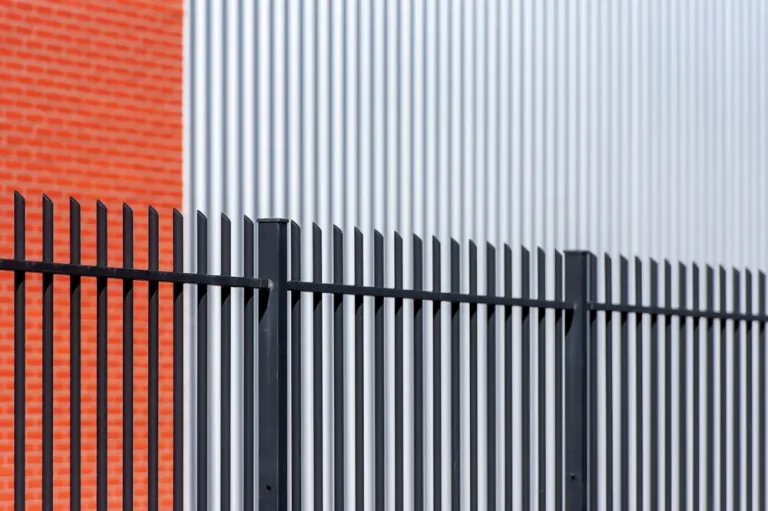
| Tubular steel pool fence (per metre) | A$150–A$220 | Classic pattern, compliance-ready |
| Semi-frameless glass (per metre) | A$280–A$350 | Posts + glass panels |
| Frameless glass (per metre) | A$350–A$380 | Premium look, spigot-mounted |
| Compliant self-closing gate + hardware | A$310–A$690 | Magnetic latch, self-closing hinges — certified |
| Certification & council inspection | A$190–A$440 | The line that makes it legal |
Understanding Pool Compliant Fence Installation
The Australian Standard (AS 1926) drives everything: 1200 mm minimum height, a 900 mm non-climbable zone measured at 45 degrees, gates that self-close and self-latch from any position, and no climbable objects within 1.2 m on the approach side. Every compliant fence is engineered backwards from those clauses — the material choice is aesthetic once compliance is designed in.
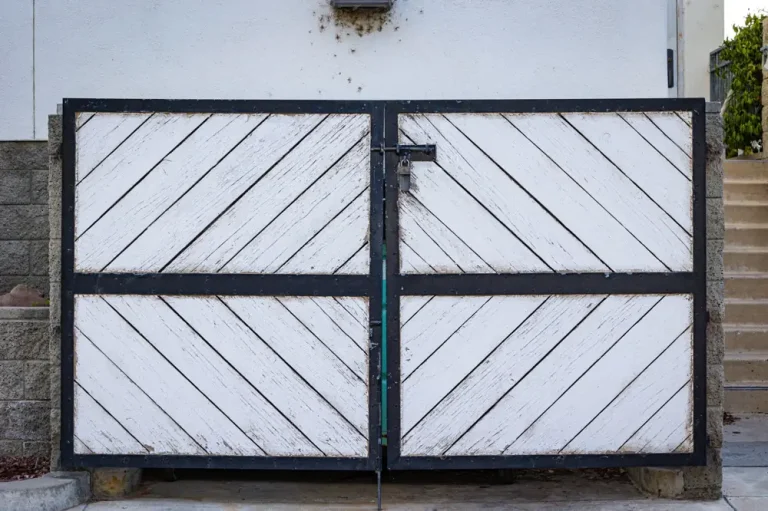
The gate is the enforcement reality: self-closing hinges and a magnetic latch that works from any angle, tested at inspection. Gates that ‘mostly close’ fail inspections weekly; the $80 difference between compliant and budget hardware decides whether the certificate issues or the pool stays legally unfilled.
What Moves the Price Up or Down
What moves the per-metre number:
| Factor | Cost Impact | Detail |
|---|---|---|
| Material: tubular → aluminium → glass | ×1.5–2.5 | Aesthetic choice on the same compliance chassis |
| Site contour and retaining edges | +10–25% | Non-climbable zones get complicated on slopes |
| Existing fence integration (boundary check) | +50–150/section | Boundary fences may need height/gap upgrades |
| Gate count | 250–550 each | Each gate is a compliance point |
| Certification + council fees | 150–350 | Fixed lines per project |
Compliant Systems Compared
Three materials, one legal standard:
| Option | Description | Best For | Cost Level |
|---|---|---|---|
| Tubular steel | Classic vertical pattern | Budget compliance, heritage-look homes | Low ($120–180/m) |
| Aluminium slat/powder-coat | Modern lines, marine-safe | Contemporary builds, coastal | Mid ($150–200/m) |
| Glass (semi/frameless) | Invisible barrier premium | View-preserving, premium pools | High ($220–300/m) |
Material is aesthetic; compliance is structural. Choose the look, then buy the certified hardware — the cheapest compliant fence beats the most beautiful non-compliant one, because only one of them lets you fill the pool.
Three Realistic Project Scenarios
Budget — tubular boundary run — A$180–A$220
18 m of straight run plus one gate, flat site.
- 18 m tubular installed — A$2,750–A$4,000
- Compliant gate + certified hardware — A$440–A$690
- Certification — A$250–A$440
Why this matters: tubular answers the law at the lowest price — and passes inspection identically to glass.
Mid — aluminium around a new pool — A$210–A$280
25 m perimeter, one gate, contour edges.
- 25 m aluminium installed — A$5,250–A$6,900
- Compliant gate — A$440–A$690
- Certification — A$310–A$440
Why this matters: the standard new-pool build — modern lines, compliance engineered in from the dig.
Premium — frameless glass feature — A$350–A$380
20 m frameless on an infinity-edge pool.
- 20 m frameless installed — A$7,000–A$7,500
- Self-closing glass gate — A$690–A$940
- Certification — A$310–A$440
Why this matters: frameless glass is the premium statement — and still just a compliance chassis wearing Prada.
Every scenario ends at the same inspector with the same checklist — the price differences are all upstream aesthetics.
Sample Budget Breakdown
The table below shows how a typical mid-range budget for pool compliant fence installation distributes across trades, materials and compliance in Australia. Adjust the percentages to your own scope before using it as a savings target.
| Category | Estimated Amount | Explanation | Optimization Tip |
|---|---|---|---|
| Fence supply and install | A$2,750–A$7,500 | Metre rate by material | Design the non-climbable zones BEFORE quoting — slope changes surprise budgets |
| Gates and certified hardware | A$440–A$940 | Per gate | Magnetic latch, self-closing hinges, tested — no substitutions |
| Certification and inspection | A$250–A$440 | The legal finish line | Book the inspection for gate-adjustment day — re-inspections cost extra |
Every figure above is an indicative 2026 market range. Final quotes move with site conditions, contractor availability and the exact specification you lock in.
From Quote to Completion: the Typical Timeline
Most pool compliant fence installation projects follow the same five-stage rhythm. Knowing the calendar before you sign prevents the two classic frustrations — feeling rushed into a deposit, and being surprised by a mid-project gap while materials arrive.
- Week 1–2: approvals if needed — Front-boundary or pool fences go to council; boundary fences need the neighbour’s signed agreement under the relevant Fencing Act.
- Week 2–4: materials delivery — Standard palings and panels are stocked; Colorbond, composite and custom slats run 1–3 weeks from the distributor.
- Build: 2–5 days for a typical block — Posts concreted day one and left to cure, then panels, rails, gates and hardware — most residential fences finish inside a working week.
- Week 6–12: settlement checks — Posts that were slightly proud settle in the first months; a 90-day defect visit clause in the contract catches gate sag and loose fittings free of charge.
- Day 0–3: site walk and measure — The contractor walks the boundary, checks slope and access, locates services (dial-before-you-dig), and quotes per metre with gates and corners itemised.
Smart Ways to Control the Budget
Cost control on pool compliant fence installation is mostly about scope discipline and timing. These are the strategies that consistently deliver the largest savings:
Pool neighbours for a boundary fence quote
Shared fencing quoted as one continuous run cuts setup and travel overheads for the contractor — savings often passed on.
Advantages:
- Directly reduces the controllable parts of the quote
- No impact on structural quality or compliance when scoped correctly
Disadvantages:
- Requires agreeing on style and timing with the neighbour, and cost-sharing rules vary by state and council.
- Requires planning lead-time you may not have on urgent repairs
Choose standard heights and lengths
Custom heights need taller posts, more concrete and non-stock palings; standard 1.8 m runs are the cheapest per metre.
Advantages:
- Directly reduces the controllable parts of the quote
- No impact on structural quality or compliance when scoped correctly
Disadvantages:
- Limits privacy or compliance flexibility on unusual sites.
- Requires planning lead-time you may not have on urgent repairs
Book in late autumn or winter
Fencing crews are quietest outside the spring renovation rush, and lead times drop from weeks to days.
Advantages:
- Directly reduces the controllable parts of the quote
- No impact on structural quality or compliance when scoped correctly
Disadvantages:
- Wet-ground conditions can slow drilling and add soil-stabilisation costs.
- Requires planning lead-time you may not have on urgent repairs
Keep the gate simple
A single standard pedestrian gate adds far less than double drive gates with automation; every hinge and automation component is a maintenance point.
Advantages:
- Directly reduces the controllable parts of the quote
- No impact on structural quality or compliance when scoped correctly
Disadvantages:
- Reduces convenience for wide access or parking inside the fence line.
- Requires planning lead-time you may not have on urgent repairs
Permits, Rules and Safety
Pool barriers are the most regulated fences in Australia — full stop:
- Pool safety fences are separately regulated: in Australia the barrier must be certified by a licensed inspector, and in most US states the barrier code references the national pool safety standard.
- Fences on shared boundaries are usually cost-shared under state fencing Acts, but a formal notice procedure applies before work starts.
- Retaining walls over about 0.6–1.0 m (varies by council) require engineering and a permit — especially when a fence sits on top of the wall.
Maintenance and Long-Term Ownership Costs
The purchase price is only the first line of the budget. These recurring items are what pool compliant fence installation owners in Australia actually spend money on:
| Task | Frequency | Typical Cost | Why It Matters |
|---|---|---|---|
| Re-oil or reseal timber | Every 2–3 years | DIY $3–$8 per m² | UV breaks down timber coatings; scheduled re-coating roughly doubles paling life. |
| Clear vegetation off the fence line | As needed | DIY (free) | Vines and shrubs trap moisture and push posts out of alignment. |
| Touch up galvanised or Colorbond scratches | As soon as spotted | DIY ($20 kit) | Edge rust spreads under the coating once it takes hold; touch-up paint stops it cold. |
| Wash and inspect palings/panels | Yearly | DIY (free) | Dirt holds moisture against the surface; a quick wash slows rot and corrosion dramatically. |
Pool fence maintenance is legally load-bearing in most states: annual checks that the gate self-closes from any position (the test toddlers actually depend on), latch adjustment after hinge settlement, and glass panel cleaning for visibility. A compliant fence that drifts out of adjustment is a non-compliant fence in law.
Frequently Asked Questions
Can I install a pool fence myself in Victoria?
The fence, often yes; the certification, no — a registered building inspector must issue the compliance certificate. DIY installs fail first inspections at higher rates on gate adjustment and non-climbable zones; budget for the re-inspection possibility.
Does my boundary fence count as part of the barrier?
Sometimes — if it’s 1200 mm+, non-climbable and gap-compliant. Councils check boundary fences as part of the barrier perimeter; older paling fences often fail the climbability test and need upgrades.
How often is re-inspection required?
Victoria requires re-registration/inspection cycles in most municipalities (commonly every 3–4 years). Budget $150–$250 per cycle — it is a recurring compliance cost of pool ownership.
What fails inspections most?
Gates. Self-closing adjustment, latch height, and climbable objects moved next to fences (pot plants, chairs, the BBQ). The fence rarely fails; the habits around it do.
Summary
Planning pool compliant fence installation in Australia starts with an honest range — A$190–A$380 for the scenarios most homeowners actually build — then works backwards through the compliance chassis and certified gate hardware.
Choose material for the look, pay the certification line without flinching, and test the gate’s self-close every month — that habit is the entire safety and legal system in miniature. Collect at least three itemised quotes, confirm the permit path before signing, and hold a 10–15% contingency for site surprises. Those three habits protect more budget than any product choice.