Timber Paling Fence Replacement Cost Melbourne
By the Garage Home Editorial Team — reviewed for accuracy. Last updated October 2026. This article is for informational purposes and reflects typical market pricing; obtain local quotes for your specific project.
The timber paling fence is Melbourne’s default boundary: treated-pine palings on hardwood posts, the shared silhouette of a million suburban backyards. Replacing one is the most common fencing project in Victoria — which means the market is competitive, the pricing is honest, and the failure points are known.
This 2026 guide prices timber paling fence replacement in Melbourne: per-metre rates by post and paling spec, the neighbour cost-sharing rules under the Fences Act, and the honest decisions between ‘like-for-like’ replacement and the upgrades that change the fence’s lifespan.
Timber Paling Fence Replacement — At a Glance for AU
Replacing a timber paling fence in Melbourne runs A$110–A$200 per metre installed — treated pine palings, hardwood or steel posts, rails and plinth. Hardwood palings and steel posts push toward the top of the range; the like-for-like pine rebuild sits at the bottom. Under the Fences Act, shared boundaries are typically cost-split with neighbours. This figure is a realistic planning number for Australia in 2026, not a marketing low-ball.
| Line Item | Typical Range (AUD) | What Drives It |
|---|---|---|
| Treated pine palings, standard rebuild | A$110–A$150 | Per metre — the Melbourne default |
| Hardwood palings (premium) | A$160–A$200 | Per metre — durability tier |
| Posts: treated pine vs steel vs hardwood | A$19–A$50 | Per post — the lifespan decision |
| Rails and plinth base | A$12–A$31 | Per metre |
| Old fence removal | A$12–A$22 | Per metre |
Understanding Timber Paling Fence Replacement
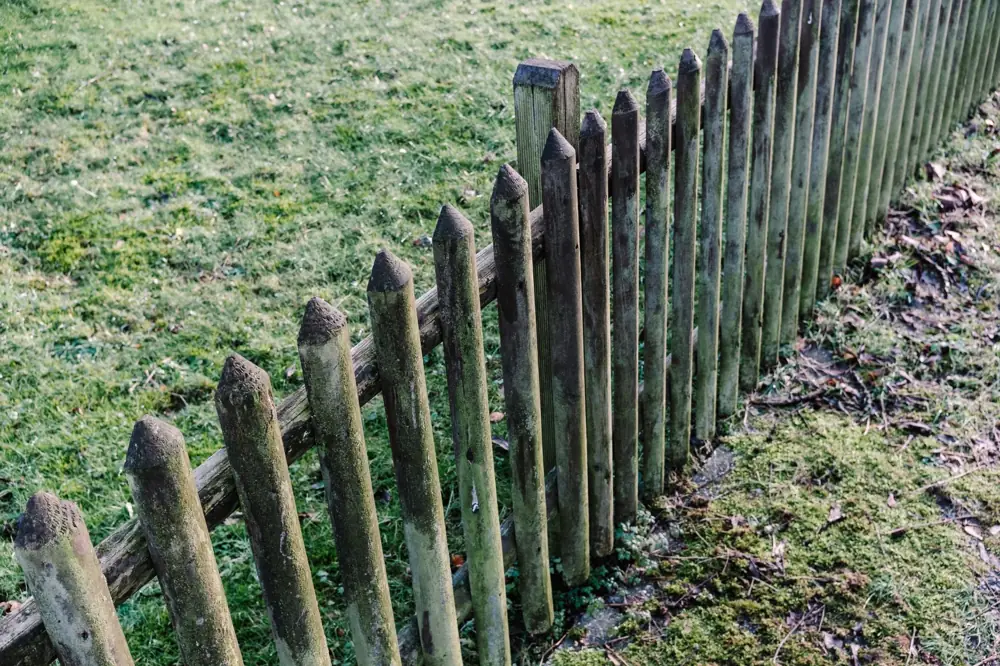
A paling fence is palings on rails on posts — and the posts decide the lifespan. Treated-pine posts last 10–15 years in Melbourne clay; steel posts (the modern upgrade) last 30+; hardwood posts sit between. The palings are the replaceable skin — which is why the honest rebuild question is ‘what are we doing about the posts?’
The Victorian Fences Act framework makes boundary replacement a shared-cost conversation by default: neighbours typically split the cost of a ‘sufficient dividing fence’ (the standard paling fence qualifies). The notice process is formal — a written notice with the proposal and cost, response window, then agreement or mediation. The fence that starts with the notice goes smoothly; the one that starts with a crew rarely does.
What Moves the Price Up or Down
The per-metre spread:
| Factor | Cost Impact | Detail |
|---|---|---|
| Post material (pine → hardwood → steel) | +15–35% | The lifespan decision |
| Paling spec (pine → hardwood) | +40–60% palings | Durability tier |
| Height 1.5 m → 1.8 m | +15–25% | More paling per post |
| Slope and contour | +10–25% | Stepped panels, cut palings |
| Old fence removal | 10 | 18 |
| Access (rear boundary via side lane) | +10–15% | Hand-carry adds crew time |
Rebuild Specs
Three honest rebuilds:
| Option | Description | Best For | Cost Level |
|---|---|---|---|
| Like-for-like pine rebuild | Pine palings, pine posts | Budget boundaries, shorter horizons | Low ($90–110/m) |
| Pine + steel posts | Palings on galvanised steel posts | The smart default — palings replaceable, posts permanent | Mid ($100–130/m) |
| Hardwood + steel posts | Hardwood palings, steel frame | 30+ year builds, premium boundaries | High ($140–160/m) |
Pine-on-steel is the value insight of Melbourne fencing: posts outlive palings, so permanent posts + replaceable skin optimizes both cost and lifespan. Hardwood everything is the once-per-generation build.
Three Realistic Project Scenarios
Budget — 30 m like-for-like — A$120–A$140
Standard rebuild, shared cost.’, )
- 30 m pine rebuild installed — A$3,600–A$4,100
- Old fence removal included — A$380–A$620
Why this matters: the honest Melbourne rebuild — under Fences Act cost-sharing, the per-household line is even lower.
Mid — 40 m pine-on-steel — A$140–A$160
The smart spec: permanent posts.’, )
- 40 m with steel posts — A$5,750–A$6,500
- Removal — A$500–A$880
Why this matters: steel posts convert the fence from ‘replace in 12 years’ to ‘re-pal in 25’ — the upgrade that pays every time.
Premium — 25 m hardwood boundary — A$180–A$200
Feature boundary, 30+ year horizon.’, )
- 25 m hardwood + steel — A$4,500–A$5,000
- Removal — A$310–A$560
Why this matters: hardwood-on-steel is the generational fence — the one your grandchildren re-paint rather than replace.
The specs ladder on one insight: posts are the structure, palings are the skin. Permanent structure + replaceable skin is the Melbourne optimum.
Sample Budget Breakdown
The table below shows how a typical mid-range budget for timber paling fence replacement distributes across trades, materials and compliance in Australia. Adjust the percentages to your own scope before using it as a savings target.
| Category | Estimated Amount | Explanation | Optimization Tip |
|---|---|---|---|
| Fence rebuild (per spec) | A$3,600–A$6,500 | Metre rate × length | Quote with steel posts — the +$10–15/m is the best longevity money in fencing |
| Removal and disposal | A$310–A$880 | Per-metre line | Bundle in the main contract — always cheaper than separate |
| Neighbour cost-share process | A$0–A$190 | Notice, agreement, sometimes mediation | The Fences Act notice is free — skipping it is what costs money |
Every figure above is an indicative 2026 market range. Final quotes move with site conditions, contractor availability and the exact specification you lock in.
From Quote to Completion: the Typical Timeline
Most timber paling fence replacement projects follow the same five-stage rhythm. Knowing the calendar before you sign prevents the two classic frustrations — feeling rushed into a deposit, and being surprised by a mid-project gap while materials arrive.
- Day 0–3: site walk and measure — The contractor walks the boundary, checks slope and access, locates services (dial-before-you-dig), and quotes per metre with gates and corners itemised.
- Week 1–2: approvals if needed — Front-boundary or pool fences go to council; boundary fences need the neighbour’s signed agreement under the relevant Fencing Act.
- Week 2–4: materials delivery — Standard palings and panels are stocked; Colorbond, composite and custom slats run 1–3 weeks from the distributor.
- Build: 2–5 days for a typical block — Posts concreted day one and left to cure, then panels, rails, gates and hardware — most residential fences finish inside a working week.
- Week 6–12: settlement checks — Posts that were slightly proud settle in the first months; a 90-day defect visit clause in the contract catches gate sag and loose fittings free of charge.
Smart Ways to Control the Budget
Cost control on timber paling fence replacement is mostly about scope discipline and timing. These are the strategies that consistently deliver the largest savings:
Book in late autumn or winter
Fencing crews are quietest outside the spring renovation rush, and lead times drop from weeks to days.
Advantages:
- Directly reduces the controllable parts of the quote
- No impact on structural quality or compliance when scoped correctly
Disadvantages:
- Wet-ground conditions can slow drilling and add soil-stabilisation costs.
- Requires planning lead-time you may not have on urgent repairs
Keep the gate simple
A single standard pedestrian gate adds far less than double drive gates with automation; every hinge and automation component is a maintenance point.
Advantages:
- Directly reduces the controllable parts of the quote
- No impact on structural quality or compliance when scoped correctly
Disadvantages:
- Reduces convenience for wide access or parking inside the fence line.
- Requires planning lead-time you may not have on urgent repairs
Get quotes priced per metre, not per job
Linear-metre pricing makes quotes directly comparable and reveals who is padding the corner, gate and slope work.
Advantages:
- Directly reduces the controllable parts of the quote
- No impact on structural quality or compliance when scoped correctly
Disadvantages:
- Some contractors refuse to itemise, and per-metre rates rise sharply on sloped blocks.
- Requires planning lead-time you may not have on urgent repairs
Replace posts and rails at the same time
Old posts under new palings are the most common cause of early failure; renewing the frame while crews are mobilised adds little labour.
Advantages:
- Directly reduces the controllable parts of the quote
- No impact on structural quality or compliance when scoped correctly
Disadvantages:
- Adds 20–30% to a straightforward panel swap.
- Requires planning lead-time you may not have on urgent repairs
Permits, Rules and Safety
Standard Victoria fence rules apply — three anchors:
- Front-boundary fences commonly need council approval and height limits differ between states — 1.2 m at the front is a frequent maximum, with 1.8–2.1 m accepted for side and rear boundaries.
- Pool safety fences are separately regulated: in Australia the barrier must be certified by a licensed inspector, and in most US states the barrier code references the national pool safety standard.
- Fences on shared boundaries are usually cost-shared under state fencing Acts, but a formal notice procedure applies before work starts.
Maintenance and Long-Term Ownership Costs
The purchase price is only the first line of the budget. These recurring items are what timber paling fence replacement owners in Australia actually spend money on:
| Task | Frequency | Typical Cost | Why It Matters |
|---|---|---|---|
| Retighten fittings and check posts for movement | Twice a year | DIY (free) | Gates and corner posts work loose first; early tightening prevents rail sag. |
| Re-oil or reseal timber | Every 2–3 years | DIY $3–$8 per m² | UV breaks down timber coatings; scheduled re-coating roughly doubles paling life. |
| Clear vegetation off the fence line | As needed | DIY (free) | Vines and shrubs trap moisture and push posts out of alignment. |
| Touch up galvanised or Colorbond scratches | As soon as spotted | DIY ($20 kit) | Edge rust spreads under the coating once it takes hold; touch-up paint stops it cold. |
Pine palings want re-painting/re-oiling every 5–7 years and post inspection at year 8; steel-post systems skip the post question entirely. The plinth base is the moisture wick — keep soil clear of it and palings last their full rated life.
Frequently Asked Questions
How do I get my neighbour to share the cost?
Serve a Fences Act notice: written proposal, quote, cost-split request. Agreement binds; disagreement goes to mediation. Most Melbourne boundary rebuilds split 50/50 without friction once the notice is formal — it’s skipping the formality that creates disputes.
Steel posts with timber palings — does that look odd?
No — steel posts sit behind the paling line, invisible from the street. The fence looks identical; only the longevity changes.
How long does a paling fence actually last?
Pine-on-pine: 10–15 years (posts fail first). Pine-on-steel: 20–25 years (re-pal once). Hardwood-on-steel: 30+ years. The post material is the whole story.
Is 1.8 m the legal maximum?
Rear and side boundaries: 2.0 m without permit in most Victoria zones. Front fences: 1.2–1.5 m typical limits. The 1.8 m paling standard is convention, not law.
Summary
Planning timber paling fence replacement in Australia starts with an honest range — A$110–A$200 for the scenarios most homeowners actually build — then works backwards through post material and the cost-share process.
Budget $90–130/m for the pine-on-steel smart rebuild, serve the Fences Act notice before crews arrive, and treat hardwood as the generational option — the structure-versus-skin insight prices every paling decision. Collect at least three itemised quotes, confirm the permit path before signing, and hold a 10–15% contingency for site surprises. Those three habits protect more budget than any product choice.