Pool Coping and Waterline Tile Cost Per Linear Foot Arizona
By the Garage Home Editorial Team — reviewed for accuracy. Last updated October 2026. This article is for informational purposes and reflects typical market pricing; obtain local quotes for your specific project.
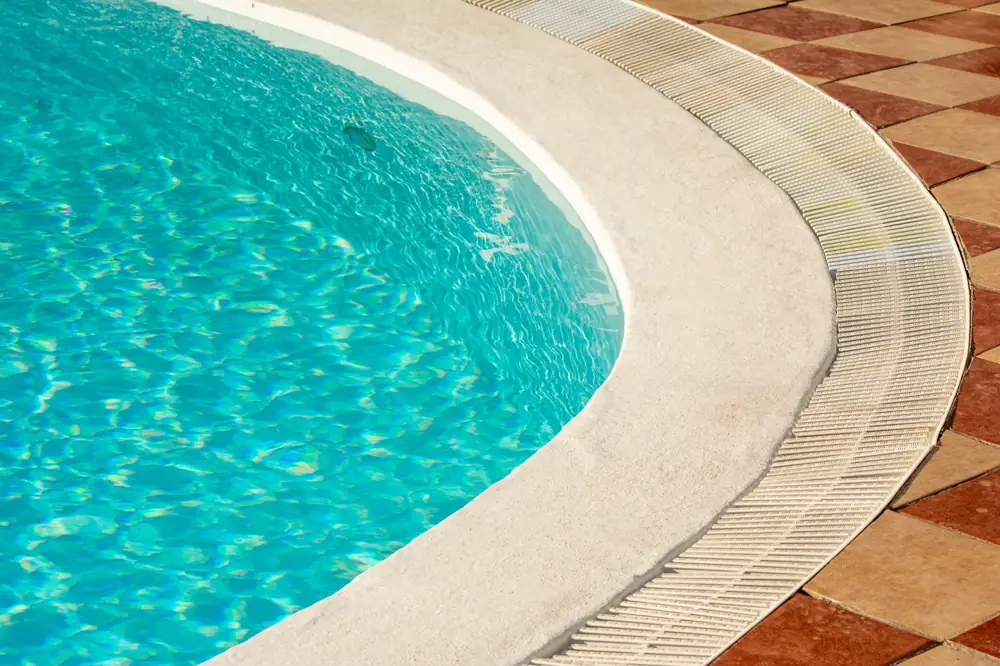
Coping and waterline tile are the pool’s handshake with the eye: the cap on the beam you grip at the edge, and the tile band that defines the waterline. In Arizona’s sun-blasted pool market, these finishes are also the parts that chemistry and UV attack first — and the renovation lines that resurfacing quotes ride along with.
This guide prices 2026 pool coping and waterline tile in Arizona per linear foot: travertine versus paver versus poured concrete at the coping, glass versus porcelain at the waterline, and the while-it’s-drained economics that make paired work the honest play.
Pool Coping and Waterline Tile — At a Glance for US
Pool coping and waterline tile in Arizona runs $25–$50 per linear foot installed — paver or poured coping at the accessible end, travertine and premium stone at the top, with glass tile waterlines reaching the premium band. The pairing rule: both lines are cheapest during a drain-and-resurface event; standalone coping work pays mobilization twice. This figure is a realistic planning number for the United States in 2026, not a marketing low-ball.
| Line Item | Typical Range (USD) | What Drives It |
|---|---|---|
| Poured concrete coping (per LF) | $25–$32 | The budget standard |
| Paver/travertine coping (per LF) | $35–$50 | The premium stone tiers |
| Porcelain waterline tile (per LF) | $18–$28 | The durable standard |
| Glass waterline tile (per LF) | $30–$45 | The premium aesthetic |
| Demo of old coping/tile (per LF) | $4–$8 | During-drain work |
Understanding Pool Coping and Waterline Tile
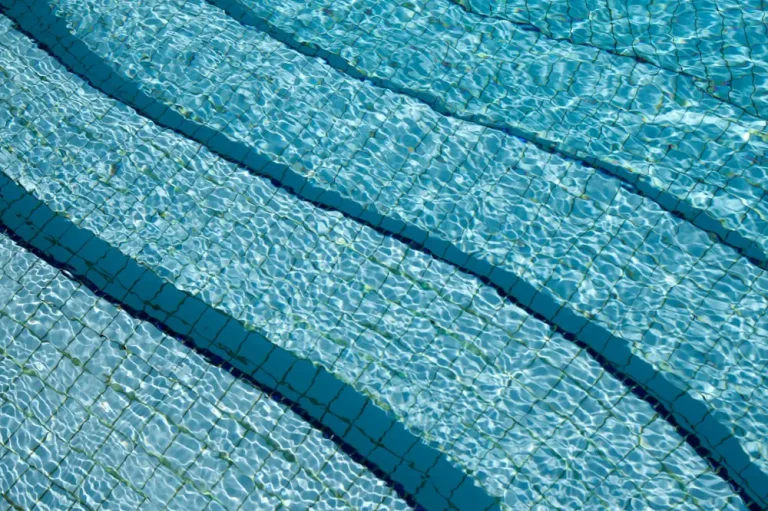
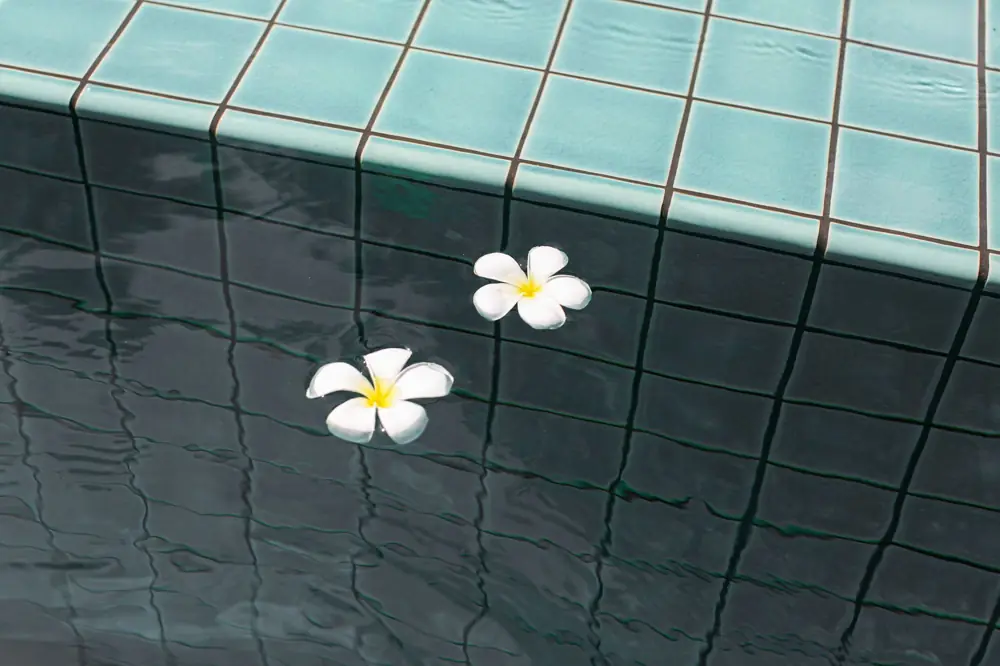
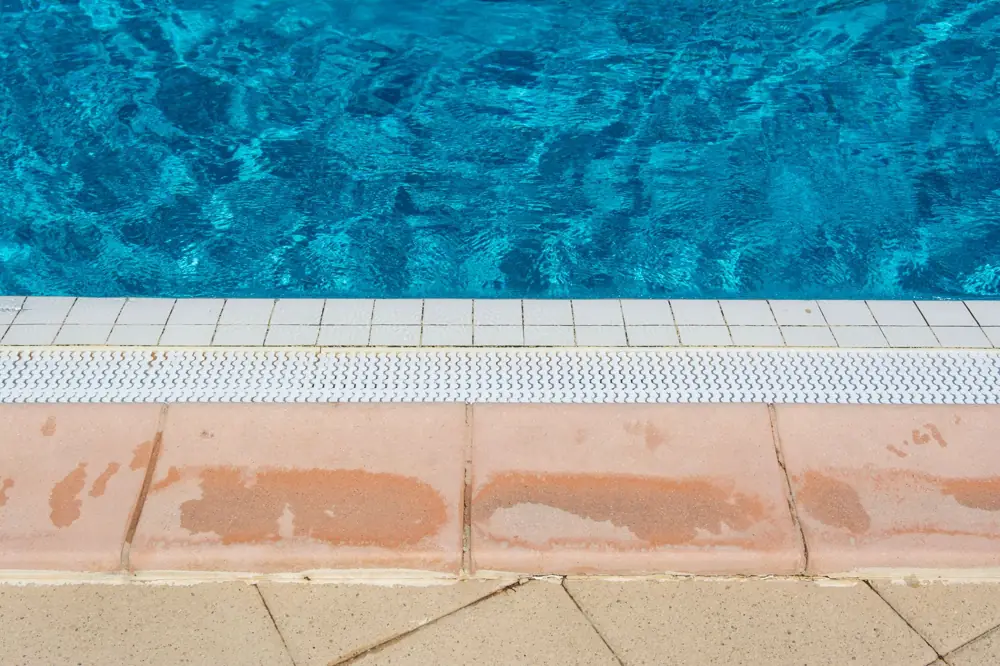
Coping is the transition structure — the cap bridging pool shell and deck, absorbing the beam’s movement and giving swimmers the edge they grip. Materials ladder from poured concrete (functional, cheap) through pavers (modular, replaceable) to travertine and stone (premium, cool-underfoot in desert heat). Waterline tile is the protective band at the water’s edge where scale and sun band together — porcelain for durability, glass for the light-catching premium.
Arizona’s sun is the finish’s real client: UV and 115-degree summers weather waterline lines faster than milder climates, and evaporative scale concentrates at exactly the tile band. The desert market prices coping and tile as consumable-but-long-lived finishes — porcelain waterlines lasting 15–20 years, glass longer, with the grout and installation quality determining most of the actual service life.
What Moves the Price Up or Down
The per-foot spread:
| Factor | Cost Impact | Detail |
|---|---|---|
| Coping material (poured → paver → travertine) | +40–100% | The premium stone tiers |
| Waterline tile (porcelain → glass) | +60–80% glass | Aesthetic tier |
| Pool perimeter length | linear | The total variable |
| During-drain pairing vs standalone | −20–30% paired | Mobilization economics |
| Cantilever vs bullnose profiles | ±10–15% | Form and cost interplay |
| Old material removal difficulty | +4–8/LF | Concrete demo lines |
Coping and Tile Tiers
Three paired builds:
| Option | Description | Best For | Cost Level |
|---|---|---|---|
| Poured coping + porcelain tile | The functional standard | Budget renovations, rental properties | Low ($43–60/LF combined) |
| Paver coping + porcelain waterline | The modular mid-tier | The Arizona family-pool standard | Mid ($53–70/LF combined) |
| Travertine coping + glass waterline | The premium aesthetic | Showcase pools, cool-touch luxury | High ($65–95/LF combined) |
The paver-and-porcelain middle is the Arizona default — replaceable modules and durable tile at honest pricing. Travertine-and-glass is the showcase tier; poured-and-porcelain answers budget renovations.
Three Realistic Project Scenarios
Budget — 60 LF during resurfacing — $45–$52
Paired work, functional finishes.’, )
- 60 LF poured coping — $1,500–$1,900
- 60 LF porcelain waterline — $1,200–$1,500
Why this matters: during-drain pairing is the budget play — both lines at mobilization-economics pricing.
Mid — 80 LF paver + porcelain — $55–$62
The standard Arizona renovation.’, )
- 80 LF paver coping — $2,900–$3,700
- 80 LF porcelain waterline — $1,600–$2,000
Why this matters: the default build — modular coping, durable tile, and a renovation that photographs complete.
Premium — 90 LF travertine + glass — $72–$85
Showcase pool renovation.’, )
- 90 LF travertine coping — $3,600–$4,300
- 90 LF glass waterline — $2,900–$3,500
Why this matters: travertine-and-glass is the luxury handshake — cool underfoot in desert heat and the finish buyers remember.
The tiers are material ladders on the same labor — and the pairing rule discounts every tier: drain once, renovate both.
Sample Budget Breakdown
The table below shows how a typical mid-range budget for pool coping and waterline tile distributes across trades, materials and compliance in the United States. Adjust the percentages to your own scope before using it as a savings target.
| Category | Estimated Amount | Explanation | Optimization Tip |
|---|---|---|---|
| Coping material and install | $1,500–$4,300 | LF × material | Travertine in Arizona: verify the sealer plan — unsealed travertine stains at the waterline |
| Waterline tile | $1,200–$3,500 | LF × tier | Porcelain for durability math; glass for aesthetic math — both honest |
| Demo and prep | $300–$700 | During-drain work | Bundle with resurfacing — standalone demo pays mobilization twice |
Every figure above is an indicative 2026 market range. Final quotes move with site conditions, contractor availability and the exact specification you lock in.
From Quote to Completion: the Typical Timeline
Most pool coping and waterline tile projects follow the same five-stage rhythm. Knowing the calendar before you sign prevents the two classic frustrations — feeling rushed into a deposit, and being surprised by a mid-project gap while materials arrive.
- Week 6–10: fit-out — Tiling, coping, equipment set, filtration, electrical certification and barrier install — where most “extras” surface, so keep the variation process in writing.
- Week 10–12: commissioning — Water balance, handover lesson on the equipment, final barrier inspection, and the compliance certificate that legally allows filling.
- Week 0: site classification — Soil test, contour survey and service locations come first — excavation pricing cannot be honest without them.
- Week 1–3: design, engineering and permit — Shell engineering, barrier plans and the council/building-permit submission; approvals commonly take 2–6 weeks and gate everything downstream.
- Week 4–6: excavation and shell — Dig, steel, plumbing rough-in and shell pour or craned fiberglass set — the loud week neighbours should be warned about.
Smart Ways to Control the Budget
Cost control on pool coping and waterline tile is mostly about scope discipline and timing. These are the strategies that consistently deliver the largest savings:
Price the full package, not just the shell
Comparing turnkey quotes — excavation, filtration, fencing, heating and landscaping — prevents the classic 30% budget blow-out on “extras”.
Advantages:
- Directly reduces the controllable parts of the quote
- No impact on structural quality or compliance when scoped correctly
Disadvantages:
- Turnkey quotes are harder to compare line-by-line and can hide margin in bundled items.
- Requires planning lead-time you may not have on urgent repairs
Build in the shoulder season
Pool builders are slammed in spring; autumn builds often come with discounts and more supervisor attention per site.
Advantages:
- Directly reduces the controllable parts of the quote
- No impact on structural quality or compliance when scoped correctly
Disadvantages:
- Cold-weather concrete pours need extra care, and you miss the first summer of swimming.
- Requires planning lead-time you may not have on urgent repairs
Right-size the heating and equipment
Oversized pumps and heaters cost more to buy and run; equipment matched to the actual water volume pays back within a few seasons.
Advantages:
- Directly reduces the controllable parts of the quote
- No impact on structural quality or compliance when scoped correctly
Disadvantages:
- Requires load calculations you may have to commission separately.
- Requires planning lead-time you may not have on urgent repairs
Negotiate the shell, fix the finish
The dig-and-shell price is where builders compete; finishes and waterline tile are where they recover margin — negotiate the package but keep quality in the wet end.
Advantages:
- Directly reduces the controllable parts of the quote
- No impact on structural quality or compliance when scoped correctly
Disadvantages:
- Splitting scope across suppliers can blur warranty responsibility.
- Requires planning lead-time you may not have on urgent repairs
Permits, Rules and Safety
Coping and tile work rarely permits alone — three notes:
- Heating and electrical work (heat pumps, solar controllers, lighting) must be installed or certified by a licensed electrician and usually appear on the compliance certificate.
- Noise controls can apply to pool pumps in residential zones — enclosures or limited run-hours are sometimes conditions of approval.
- Pool permits are the norm, not the exception: engineering plans, site setbacks and equipment placement are all reviewed before a digging date is confirmed.
Maintenance and Long-Term Ownership Costs
The purchase price is only the first line of the budget. These recurring items are what pool coping and waterline tile owners in the United States actually spend money on:
| Task | Frequency | Typical Cost | Why It Matters |
|---|---|---|---|
| Drain-and-detail or acid wash | Every 5–7 years | $500–$900 | Removes years of staining and scale build-up without refinishing the shell. |
| Water balance and sanitiser check | Weekly (self) / monthly (pro) | DIY kits $20; pro service $80–$120/month | Balanced water protects finishes, equipment and swimmers; neglect shows up as etched plaster or corroded heaters. |
| Clean filter and skimmer baskets | Weekly | DIY (free) | Starved pumps cavitate and fail early; baskets are the cheapest protection you own. |
| Pump and heater service | Yearly | $150–$250 | Annual service keeps warranties valid and efficiency at nameplate levels. |
Waterline maintenance is scale management: brush the tile band weekly (Arizona hard water builds scale fast), acid-wash the band annually, and re-seal stone coping every 2–3 years. Glass and porcelain shrug off chemistry; grout lines are the maintenance surface.
Frequently Asked Questions
Can I replace tile without resurfacing?
Yes — partial-drain tile work is real and priced by the band. But the economics favor pairing: resurfacing quotes that include tile run 20–30% under the sum of separate jobs.
Does travertine get too hot for Arizona?
It stays dramatically cooler than concrete — that is its desert selling point alongside looks. Sealed light-tones stay walkable at air temperatures that burn bare feet on gray finishes.
How long do waterline tiles last?
Porcelain 15–20 years, glass effectively forever — the grout and installation fail before the tile. Failure signs: loose tiles and grout erosion at the scale line, not tile discoloration.
What is cantilever coping?
Deck concrete poured over the pool edge — no separate coping piece, a clean modern line. Cheaper than stone, monolithic with the deck, and the standard on new builds where budget meets modern aesthetic.
Summary
Planning pool coping and waterline tile in the United States starts with an honest range — $25–$50 for the scenarios most homeowners actually build — then works backwards through material tiers and the during-drain pairing rule.
Budget $43–60/LF combined for the functional renovation, pair coping and tile work into resurfacing events whenever the calendar allows, and re-seal stone in Arizona on the 2–3 year clock the desert demands. Collect at least three itemised quotes, confirm the permit path before signing, and hold a 10–15% contingency for site surprises. Those three habits protect more budget than any product choice.