Garage Door Torsion Spring Replacement Cost Sydney Australia
By the Garage Home Editorial Team — reviewed for accuracy. Last updated October 2026. This article is for informational purposes and reflects typical market pricing; obtain local quotes for your specific project.
When a torsion spring lets go it sounds like a gunshot inside the garage and the door becomes a 100-kilogram dead weight. The spring is the single hardest-working component in any sectional door system — and in Australia, replacement pricing swings on door weight, spring count and whether you catch the second spring before it fails too.
This guide prices torsion spring replacement with Australian 2026 labour rates, explains the single- versus dual-spring economics, and shows why the $150 ‘just wind it tighter’ phone quote is a scam in every state.
Garage Door Torsion Spring Replacement — At a Glance for AU
A professional torsion spring replacement in Australia runs A$500–A$1,100 for a standard double sectional door, dual springs supplied and fitted, including cycle testing. Single-spring doors land 30–40% cheaper at the invoice but fail more dangerously and run the door off-balance between services. This figure is a realistic planning number for Australia in 2026, not a marketing low-ball.
| Line Item | Typical Range (AUD) | What Drives It |
|---|---|---|
| Torsion spring pair, standard double door | A$150–A$320 | Cycle-rated 10k–25k; matched to door weight |
| Winding, balancing and cycle test | A$190–A$400 | The real labour line — 1.5–2 hours with safety gear |
| Second spring on dual systems | A$75–A$150 | Almost always worth replacing as a pair |
| Cable and pulley inspection/refresh | A$50–A$190 | Cables fray on the same timeline as springs |
| Call-out / after-hours surcharge | A$0–A$190 | Weekend and same-day adds 20–50% |
Understanding Garage Door Torsion Spring Replacement
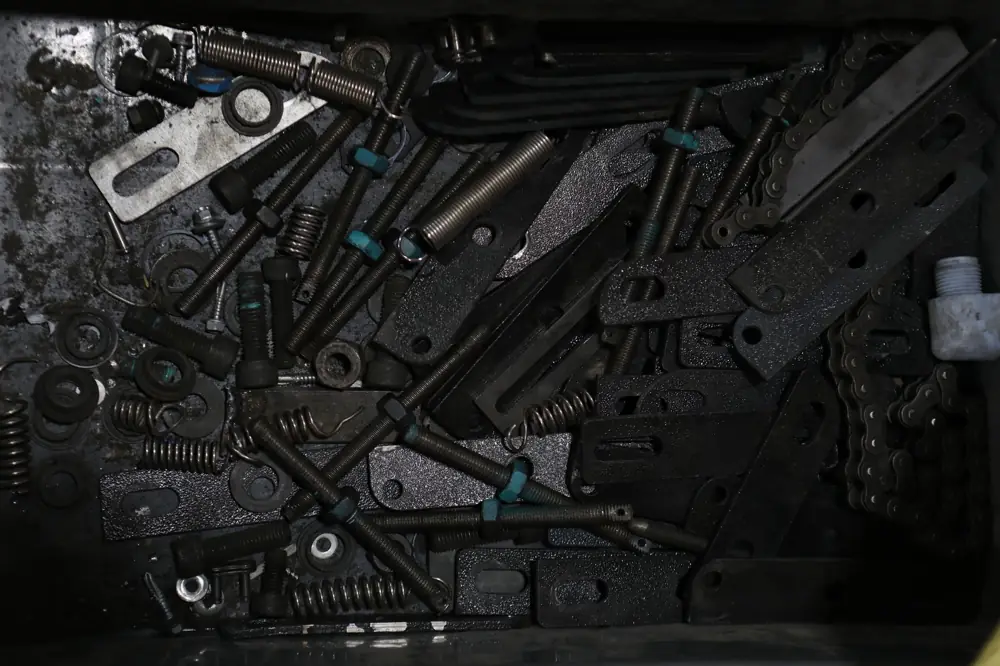
Torsion springs counterbalance the door’s weight on a shaft above the opening. They are spec’d by torque for a specific door mass and cycle life — a dual-spring setup shares the load, so each runs at half stress, roughly doubling system life. Australian sectional doors skew heavier than US equivalents (thicker Colorbond-style skins and wind bracing), which is why A$ quotes sit above the US equivalents even after currency.
The winding procedure is the danger zone: bars under full torque, head clear of the cone. Reputable Australian firms treat spring work as a licensed trade task; the $150 cash-mate quote usually means an unlicensed wind-up of a tired spring that fails within months — and takes the cables or opener with it.
What Moves the Price Up or Down
What separates a A$400 invoice from a A$900 one:
| Factor | Cost Impact | Detail |
|---|---|---|
| Single vs dual spring system | −30–40% single | Dual shares load; single concentrates stress and failure risk |
| Door weight (single 80 kg vs double 140 kg+) | +15–30% | Heavier doors need thicker wire — priced by the metre |
| Cycle rating 10k → 25k | +20–35% | 25k cycles ≈ 12–15 years of family use |
| After-hours / same-day callout | +20–50% | Springs snap on weekends; urgency is priced |
| Opener gear damage from failure | +150–300 | Running on a broken spring strips LiftMaster-style gears |
Spring Options and What They Cost
Three configurations cover the Australian market:
| Option | Description | Best For | Cost Level |
|---|---|---|---|
| Single torsion spring | One barrel spring, full door load | Light single doors, budget repairs | Low (A$280–$550 fitted) |
| Dual torsion springs | Pair sharing the load on one shaft | Standard double sectional doors | Mid (A$400–$900 fitted) |
| Conversion extension→torsion | Retrofit kit plus engineering time | Old tilt/extension-spring doors | High (A$700–$1,200) |
If the door is dual-spring and one has snapped, always replace the pair — the survivor is at the same cycle count and running it solo unbalances the door within weeks.
Three Realistic Project Scenarios
Budget — single door, one spring — A$380–A$560
Single-car garage, light 80 kg tilt-up door.
- Single spring supplied — A$110–A$180
- Winding and balance test — A$200–A$300
Why this matters: light doors run fine on one spring — but book the annual balance check, because the failure mode is sudden.
Mid — double door, dual springs — A$500–A$880
Standard suburban double sectional with opener.
- Dual spring pair matched to 140 kg door — A$200–A$320
- Wind, balance and 10-cycle test — A$250–A$400
- Cable inspection pass — A$0–A$100
Why this matters: the default Australian job — pair replacement is the price of not doing this twice.
Premium — heavy insulated door + opener rescue — A$880–A$1,250
140+ kg insulated door, dual 25k-cycle springs, opener gears hurt by the failure.
- 25k-cycle dual springs — A$300–A$420
- Winding + safety inspection — A$280–A$400
- Opener gear/relay repair — A$220–A$380
Why this matters: when the failure damages the opener, fixing both in one visit saves the second call-out fee outright.
Notice the pattern: hardware is cheap, competence is the cost. A quoted job that lists winding and cycle-testing as separate lines is a competent quote.
Sample Budget Breakdown
The table below shows how a typical mid-range budget for garage door torsion spring replacement distributes across trades, materials and compliance in Australia. Adjust the percentages to your own scope before using it as a savings target.
| Category | Estimated Amount | Explanation | Optimization Tip |
|---|---|---|---|
| Springs matched to door weight | A$200–A$420 | Cycle-rated pair for a double door | Ask for 25k-cycle wire — the labour is the same |
| Labour: winding, balancing, testing | A$250–A$420 | Licensed tech, 1.5–2 hours | Bundle a door service for A$50–$80 more, not a second visit |
| Cables and rollers if frayed | A$75–A$200 | Same-life components | Replace at spring age, not at failure |
Every figure above is an indicative 2026 market range. Final quotes move with site conditions, contractor availability and the exact specification you lock in.
From Quote to Completion: the Typical Timeline
Most garage door torsion spring replacement projects follow the same five-stage rhythm. Knowing the calendar before you sign prevents the two classic frustrations — feeling rushed into a deposit, and being surprised by a mid-project gap while materials arrive.
- Day 0–2: site measure — An installer measures the opening, checks headroom and side-room, photographs the existing door and confirms which catalogue models actually fit — quote accuracy lives or dies here.
- Day 3–10: quotes and selection — Two to three itemised quotes arrive; you confirm the model, colour and window spec, and pay any deposit (hold it under 25% where the law allows).
- Week 1–3: door and hardware arrive — Stock steel doors ship in days; custom insulated, wood-look or non-standard colours run 2–3 weeks from the factory.
- Install day: 3–6 hours — Old door off, hardware refreshed, new sections hung, springs matched and calibrated, opener re-tuned, site cleaned and old door hauled away.
- Day of install + 2 weeks: tune-up window — Cables stretch slightly in the first weeks; a reputable installer includes a free adjustment visit in the quote — ask for it in writing.
Smart Ways to Control the Budget
Cost control on garage door torsion spring replacement is mostly about scope discipline and timing. These are the strategies that consistently deliver the largest savings:
Finance through a HELOC or installer plan
Spreading a large conversion over years keeps cash flow free and may be tax-deductible if the space becomes a rental.
Advantages:
- Directly reduces the controllable parts of the quote
- No impact on structural quality or compliance when scoped correctly
Disadvantages:
- Interest adds 5–10% to total cost, and approval depends on credit.
- Requires planning lead-time you may not have on urgent repairs
Collect three itemised quotes
Comparing line-by-line exposes padding in labour or hardware lines; the cheapest total is not always the best value once warranties differ.
Advantages:
- Directly reduces the controllable parts of the quote
- No impact on structural quality or compliance when scoped correctly
Disadvantages:
- Takes 1–2 weeks of waiting, and some installers charge for site measure visits.
- Requires planning lead-time you may not have on urgent repairs
Replace hardware during the door swap
Springs, rollers and cables wear on the same schedule as the door; fitting them while the tradesperson is already on site costs far less than a second call-out.
Advantages:
- Directly reduces the controllable parts of the quote
- No impact on structural quality or compliance when scoped correctly
Disadvantages:
- Raises the upfront ticket by 15–25% even when the old parts still function.
- Requires planning lead-time you may not have on urgent repairs
Buy the opener and door from the same installer
One supplier means one warranty point of contact and guarantees the opener is matched to the door weight and spring type.
Advantages:
- Directly reduces the controllable parts of the quote
- No impact on structural quality or compliance when scoped correctly
Disadvantages:
- Bundling can lock you out of cheaper online hardware pricing.
- Requires planning lead-time you may not have on urgent repairs
Permits, Rules and Safety
Spring replacement is permit-free everywhere in Australia, but three compliance points matter:
- A door like-for-like swap is usually exempt from planning approval, but converting the garage into living space almost always triggers both a building permit and a change-of-use assessment.
- Structural work — new openings, lintels or a second storey above the garage — needs an engineer’s sign-off and a permit in all five countries covered by this guide.
- Electrical upgrades for openers, outlets or sub-panels must be done or certified by a licensed electrician; the certificate is typically inspected at completion.
Maintenance and Long-Term Ownership Costs
The purchase price is only the first line of the budget. These recurring items are what garage door torsion spring replacement owners in Australia actually spend money on:
| Task | Frequency | Typical Cost | Why It Matters |
|---|---|---|---|
| Test the auto-reverse safety sensors | Quarterly | DIY (free) | A door that fails to reverse on a child or pet is a legal and safety liability in all five countries. |
| Professional tune-up | Yearly | $90–$160 | Catches cable fray and spring tension drift before they fail at the worst moment. |
| Rebalance check — door holds half-open | Twice a year | DIY (free) | A door that sags or slides needs spring adjustment; running the opener on an unbalanced door burns out motors. |
| Wash painted/steel finishes and check seals | Yearly | DIY (free–$40) | Salt-air regions corrode steel quickly; seals keep dust and water out of the conversion or workshop. |
Spring life is maintenance life. Annual lubrication and a balance test double the useful years; a door that runs rough is a spring system asking for service before it snaps at 6 pm on a Sunday.
Frequently Asked Questions
How long do torsion springs last in Australia?
7–12 years for 10k-cycle springs on family doors; 12–18 years for 25k-cycle wire. Coastal corrosion shortens both — a Bunnings-frequent inspection for surface rust on the coils is worthwhile.
Why did both quotes differ by $300 for the same job?
Check whether both include the pair, the cycle rating and the balance test. The cheap quote is usually one spring, no test, cash — the maths of a second failure within months.
Can I wind my own torsion springs?
Not safely. The winding cones hold the full counterbalance energy; injuries are typically crush or laceration class. Licensed techs with insurance and correct bars charge $200–$340 for exactly this reason.
Will a broken spring damage the opener?
Often yes — the motor strains against a 100+ kg unbalanced load and strips gears or belts. If the door got loud or slow in the weeks before failure, budget for opener inspection in the same visit.
Summary
Planning garage door torsion spring replacement in Australia starts with an honest range — A$500–A$1,100 for the scenarios most homeowners actually build — then works backwards through pair replacement, cycle rating and licensed labour.
Budget the dual-spring pair job at A$400–$900, insist on the balance test line on the invoice, and treat single-spring cash quotes as the false economy they are. Collect at least three itemised quotes, confirm the permit path before signing, and hold a 10–15% contingency for site surprises. Those three habits protect more budget than any product choice.
Related Garage Doors Guides
- 16×7 Steel Garage Door Cost Per Panel Texas
- LiftMaster Garage Door Opener Installation Cost New York
- Wayne Dalton vs Amarr Garage Door Price Comparison USA
- Clopay Garage Door Replacement Cost California Guide
- Tilt vs Sectional Garage Door Cost New Zealand
- Garage Electrical Panel Upgrade Cost Brisbane