Pool Excavation on Sloped Block Cost Brisbane
By the Garage Home Editorial Team — reviewed for accuracy. Last updated October 2026. This article is for informational purposes and reflects typical market pricing; obtain local quotes for your specific project.
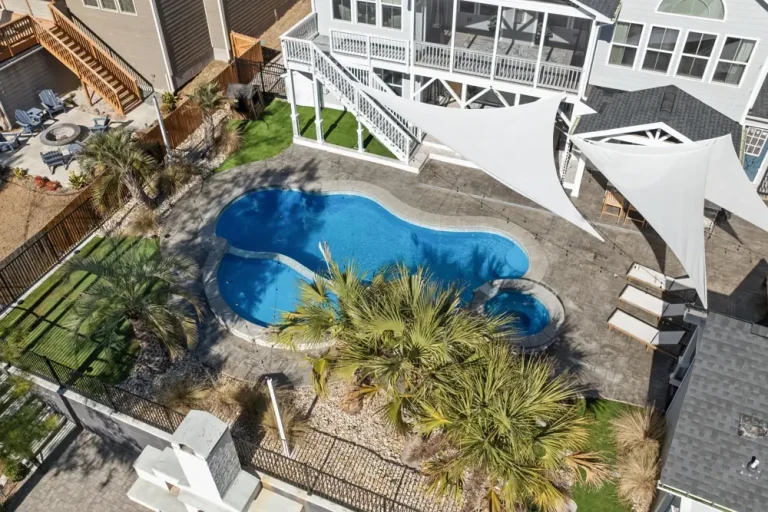
Brisbane’s topography is the pool-builder’s honest adversary: hills, slopes, and blocks that fall away toward the bay or the bush. Excavation on a sloped site isn’t standard dig-and-pour — it’s engineered access, benching, retaining and sometimes cranes, and the quotes reflect engineering rather than geometry.
This guide prices 2026 pool excavation on sloped blocks in Brisbane: the access-and-slope tiers that set the range, the retaining and engineering lines that follow the dig, and the design moves (split-level pools,infinity edges) that turn slope expense into slope feature.
Pool Excavation on Sloped Block — At a Glance for AU
Pool excavation on a Brisbane sloped block runs A$10,000–A$31,250 — standard dig with easy access at the low end, benched/engineered digs with retaining integration at the top. The slope premium over flat-block excavation ($4,000–8,000) buys access engineering, benching, and soil retention; the design opportunity is real — slope is what infinity edges and split-level pools are made of. This figure is a realistic planning number for Australia in 2026, not a marketing low-ball.
| Line Item | Typical Range (AUD) | What Drives It |
|---|---|---|
| Standard excavation (flat-ish access) | A$5,000–A$10,000 | The baseline |
| Sloped-site access engineering | A$2,500–A$7,500 | Ramps, benches, machinery routes |
| Retaining walls (pool-edge integration) | A$3,750–A$11,250 | Where the dig meets the fall |
| Extra soil removal (deep cuts) | A$1,000–A$2,500 | Per truck, slope sites generate it |
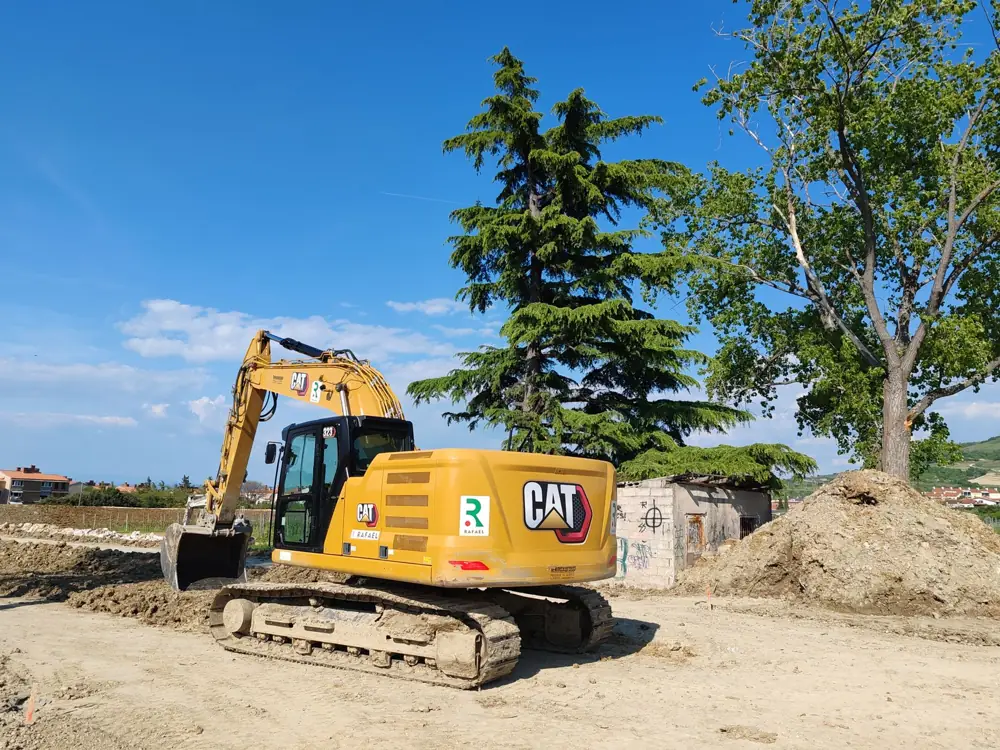
| Crane/hiab for no-access sites | A$1,900–A$5,000 | The extreme-access answer |
| Engineering design (sloped sites) | A$1,000–A$2,500 | The certified-drawing line |
Understanding Pool Excavation on Sloped Block
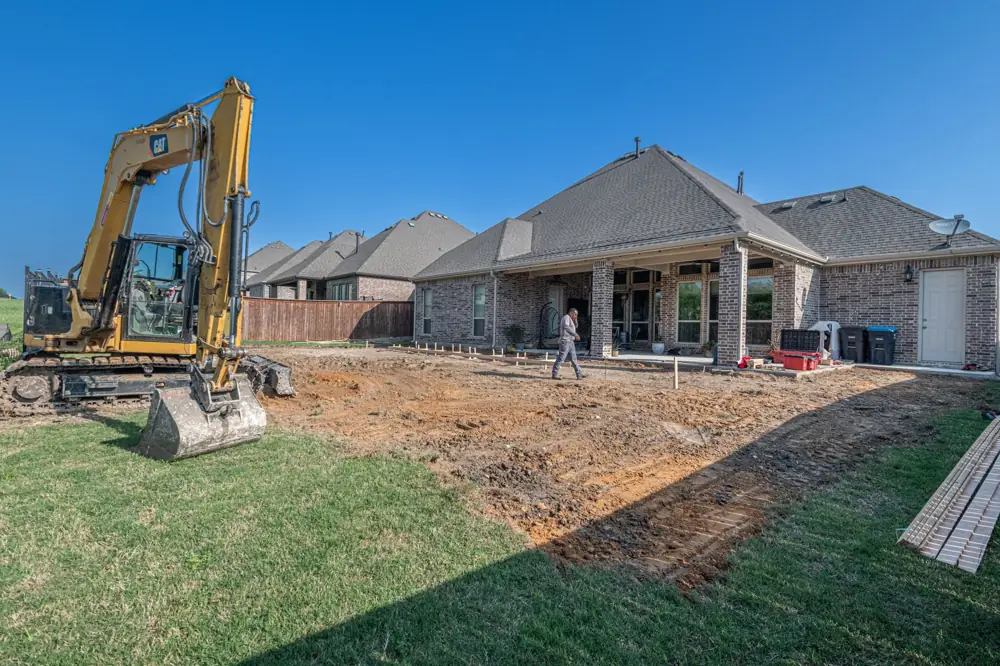
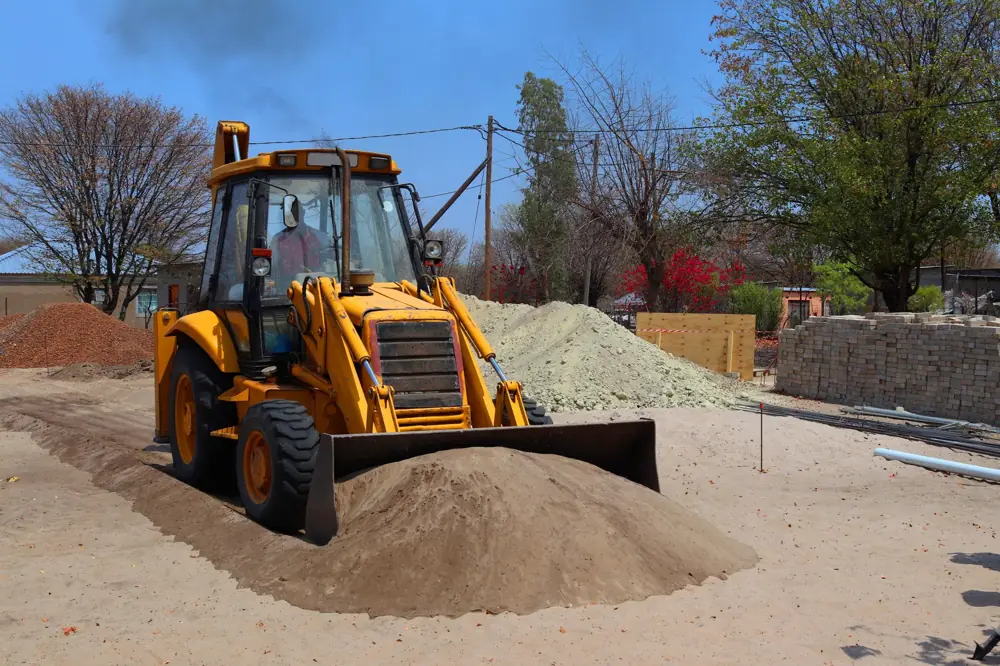
Sloped-block excavation is staged engineering: the dig benches into the contour (cut-and-fill platforms rather than a simple hole), machinery routes get planned against the fall, and the upslope wall becomes a retaining structure. The soil math changes too — slope digs generate more spoil per pool, and Brisbane’s disposal lines are real money.
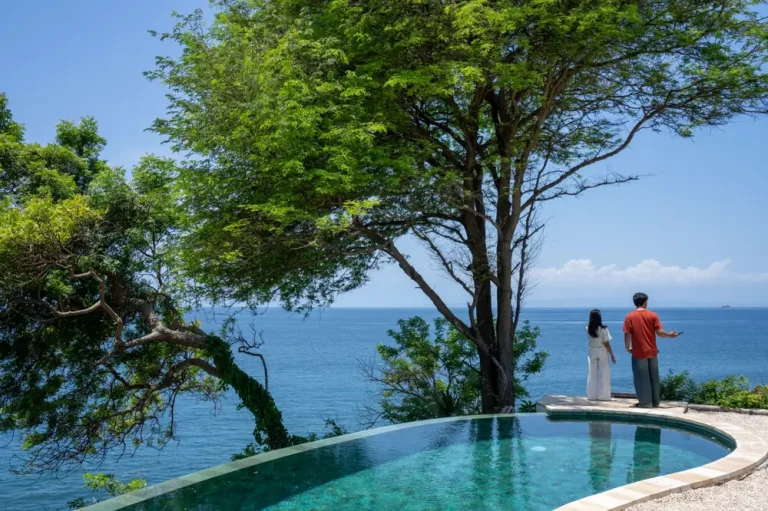
The Brisbane pattern: westside and bayside blocks slope gently enough that access engineering dominates (machines reach, benching is modest); the steep escarpment suburbs and hinterland blocks escalate toward crane solutions and serious retaining. The design flip is genuine though — a pool cut into a slope is half-toward-the-view, and infinity edges exist because slopes do.
What Moves the Price Up or Down
The sloped spread:
| Factor | Cost Impact | Detail |
|---|---|---|
| Slope severity (gentle → steep) | +2k–10k | The primary variable |
| Machinery access (side/rear vs none) | +1.5k–4k crane | The route question |
| Soil type (rock encounter) | +1k–5k | The Brisbane surprise line |
| Retaining integration length | +3k–9k | Upslope walls |
| Spoil volume and disposal | +800–2000 | Per extra truck |
| Engineering and certification | +800–2000 | Sloped sites want it |
Sloped-Site Strategies
Three approaches by slope severity:
| Option | Description | Best For | Cost Level |
|---|---|---|---|
| Benched dig with machinery access | Standard equipment, staged platforms | Gentle-to-moderate slopes (most Brisbane blocks) | Low-mid ($8k–13k total) |
| Split-level design pool | The pool works WITH the fall | Design-led slope answers | Mid ($13k–18k) |
| Crane + full engineering | No-access steep sites | Escarpment and hinterland blocks | High ($18k–25k+) |
Most Brisbane slope blocks land in the benched-dig band — standard machinery, engineered staging. The split-level strategy is the design-smart play: pay slope costs once, gain a feature pool.
Three Realistic Project Scenarios
Budget — gentle slope, benched dig — A$11,250–A$15,000
6–10% fall, side machinery access.’, )
- Benched excavation — A$6,250–A$8,750
- Minor retaining and spoil — A$3,750–A$5,600
Why this matters: gentle Brisbane slopes are honest work — benched digs at modest premium over flat sites.
Mid — split-level design build — A$18,750–A$22,500
Pool designed into a 15% fall.’, )
- Engineered benched excavation — A$10,000–A$12,500
- Split-level retaining integration — A$6,250–A$8,750
Why this matters: the design-flip: slope expense becomes pool feature — split levels and wet-edge views exist for exactly these blocks.
Premium — steep no-access site — A$25,000–A$31,250
Escarpment block, crane everything.’, )
- Crane-assisted excavation — A$15,000–A$18,750
- Full retaining and engineering — A$8,750–A$12,500
Why this matters: the extreme tier — crane logistics and full engineering for blocks that machinery simply can’t reach
The strategies ladder with severity — and every tier’s honest advice includes the same line: engineer first, dig second.
Sample Budget Breakdown
The table below shows how a typical mid-range budget for pool excavation on sloped block distributes across trades, materials and compliance in Australia. Adjust the percentages to your own scope before using it as a savings target.
| Category | Estimated Amount | Explanation | Optimization Tip |
|---|---|---|---|
| Excavation and access | A$6,250–A$18,750 | By strategy | Get the geotech before the dig — soil surprises on slopes are the classic budget-breaker |
| Retaining and engineering | A$3,750–A$12,500 | The upslope lines | Pool-edge retaining is structural work — engineer-signed, not landscaper-guessed |
| Spoil management | A$1,900–A$5,000 | Per truck reality | Slope digs over-generate; quote disposal explicitly or it appears as a surprise |
Every figure above is an indicative 2026 market range. Final quotes move with site conditions, contractor availability and the exact specification you lock in.
From Quote to Completion: the Typical Timeline
Most pool excavation on sloped block projects follow the same five-stage rhythm. Knowing the calendar before you sign prevents the two classic frustrations — feeling rushed into a deposit, and being surprised by a mid-project gap while materials arrive.
- Week 6–10: fit-out — Tiling, coping, equipment set, filtration, electrical certification and barrier install — where most “extras” surface, so keep the variation process in writing.
- Week 10–12: commissioning — Water balance, handover lesson on the equipment, final barrier inspection, and the compliance certificate that legally allows filling.
- Week 0: site classification — Soil test, contour survey and service locations come first — excavation pricing cannot be honest without them.
- Week 1–3: design, engineering and permit — Shell engineering, barrier plans and the council/building-permit submission; approvals commonly take 2–6 weeks and gate everything downstream.
- Week 4–6: excavation and shell — Dig, steel, plumbing rough-in and shell pour or craned fiberglass set — the loud week neighbours should be warned about.
Smart Ways to Control the Budget
Cost control on pool excavation on sloped block is mostly about scope discipline and timing. These are the strategies that consistently deliver the largest savings:
Get a soil test before signing
Rock, clay or a high water table can add thousands in excavation and engineering; a geotechnical report costs little relative to that risk.
Advantages:
- Directly reduces the controllable parts of the quote
- No impact on structural quality or compliance when scoped correctly
Disadvantages:
- Adds 1–2 weeks and a few hundred dollars to the front end.
- Requires planning lead-time you may not have on urgent repairs
Join a pool owners association or local group
Real local cost reports expose which builders quote low and charge variations later, before you sign anything.
Advantages:
- Directly reduces the controllable parts of the quote
- No impact on structural quality or compliance when scoped correctly
Disadvantages:
- Anecdotal data needs cross-checking against your own site conditions.
- Requires planning lead-time you may not have on urgent repairs
Price the full package, not just the shell
Comparing turnkey quotes — excavation, filtration, fencing, heating and landscaping — prevents the classic 30% budget blow-out on “extras”.
Advantages:
- Directly reduces the controllable parts of the quote
- No impact on structural quality or compliance when scoped correctly
Disadvantages:
- Turnkey quotes are harder to compare line-by-line and can hide margin in bundled items.
- Requires planning lead-time you may not have on urgent repairs
Build in the shoulder season
Pool builders are slammed in spring; autumn builds often come with discounts and more supervisor attention per site.
Advantages:
- Directly reduces the controllable parts of the quote
- No impact on structural quality or compliance when scoped correctly
Disadvantages:
- Cold-weather concrete pours need extra care, and you miss the first summer of swimming.
- Requires planning lead-time you may not have on urgent repairs
Permits, Rules and Safety
Sloped-site pool permits carry engineering weight — three anchors:
- Heating and electrical work (heat pumps, solar controllers, lighting) must be installed or certified by a licensed electrician and usually appear on the compliance certificate.
- Noise controls can apply to pool pumps in residential zones — enclosures or limited run-hours are sometimes conditions of approval.
- Pool permits are the norm, not the exception: engineering plans, site setbacks and equipment placement are all reviewed before a digging date is confirmed.
Maintenance and Long-Term Ownership Costs
The purchase price is only the first line of the budget. These recurring items are what pool excavation on sloped block owners in Australia actually spend money on:
| Task | Frequency | Typical Cost | Why It Matters |
|---|---|---|---|
| Drain-and-detail or acid wash | Every 5–7 years | $500–$900 | Removes years of staining and scale build-up without refinishing the shell. |
| Water balance and sanitiser check | Weekly (self) / monthly (pro) | DIY kits $20; pro service $80–$120/month | Balanced water protects finishes, equipment and swimmers; neglect shows up as etched plaster or corroded heaters. |
| Clean filter and skimmer baskets | Weekly | DIY (free) | Starved pumps cavitate and fail early; baskets are the cheapest protection you own. |
| Pump and heater service | Yearly | $150–$250 | Annual service keeps warranties valid and efficiency at nameplate levels. |
Sloped-site pools add drainage attention to standard pool care: upslope surface water must route around the pool shell, retaining drainage stays clear, and heavy-rain inspection becomes a Brisbane habit. The engineering that made the dig safe also makes the maintenance list slightly longer.
Frequently Asked Questions
How much extra does a sloped block add to pool cost?
Honest Brisbane numbers: $4–12k on the excavation-and-retaining lines for gentle-to-moderate slopes; $15k+ when access fails and cranes arrive. The pool shell itself doesn’t change — the site engineering does.
Can the slope become a feature?
Yes — the split-level and infinity-edge design tradition exists precisely for sloped blocks. The retaining you’d pay for anyway becomes the pool’s signature wall; the fall becomes the view. Design-first slope budgets spend the same money twice-usefully.
What about rock during excavation?
Brisbane’s rock encounters are the classic unquoted surprise: $1–5k of hammering or blasting that geotechnical reports predict for a few hundred dollars. On slopes, get the geotech — always.
Do sloped pools need special engineering sign-off?
Practically yes: the retaining integration and benching want certified drawings, and councils on Brisbane’s steep streets expect them. The $800–2,000 engineering line protects the entire build’s budget, not just its legality.
Summary
Planning pool excavation on sloped block in Australia starts with an honest range — A$10,000–A$31,250 for the scenarios most homeowners actually build — then works backwards through slope severity, machinery access and the design flip.
Budget $8–13k for gentle-slope benched digs, engineer before digging on anything steeper, and consider the split-level design — slope money spent once becomes pool feature instead of pool cost. Collect at least three itemised quotes, confirm the permit path before signing, and hold a 10–15% contingency for site surprises. Those three habits protect more budget than any product choice.