Natural Swimming Pool Construction Cost UK
By the Garage Home Editorial Team — reviewed for accuracy. Last updated October 2026. This article is for informational purposes and reflects typical market pricing; obtain local quotes for your specific project.
The natural swimming pool is the British garden’s counter-statement to chlorine: a swimming pond where plants do the filtration, gravel beds regenerate the water, and the swimming zone sits inside a living ecosystem. It’s a niche product with devoted owners — and pricing that reflects landscaping-project reality rather than pool-industry catalogues.
This guide prices 2026 natural swimming pools in the UK: the regeneration-zone construction that defines the method, the liner-versus-construction tiers, and the honest maintenance trade — natural pools swap chemical dosing for ecological stewardship.
Natural Swimming Pool Cost — At a Glance for UK
A natural swimming pool in the UK runs £39,600–£86,400 — construction tiers by finish and regeneration design. The swimming zone prices like a conventional pool shell; the planted regeneration zone (30–50% of total area) prices as specialist landscaping. Running costs drop to electricity-for-circulation only — the chemical bill disappears into the ecosystem. This figure is a realistic planning number for the United Kingdom in 2026, not a marketing low-ball.
| Line Item | Typical Range (GBP) | What Drives It |
|---|---|---|
| Swimming zone construction (liner) | £21,600–£36,000 | The bathing basin itself |
| Swimming zone (concrete/gunite premium) | £36,000–£50,400 | The luxury build |
| Regeneration zone construction + planting | £12,950–£25,200 | The living filter — 30–50% of area |
| Circulation and aeration equipment | £2,900–£5,750 | Low-energy pumps |
| Liner (EPDM rubber, both zones) | £4,300–£8,650 | The waterproofing layer |
| Landscaping integration | £3,600–£10,800 | The aesthetic finish |
Understanding Natural Swimming Pool Cost
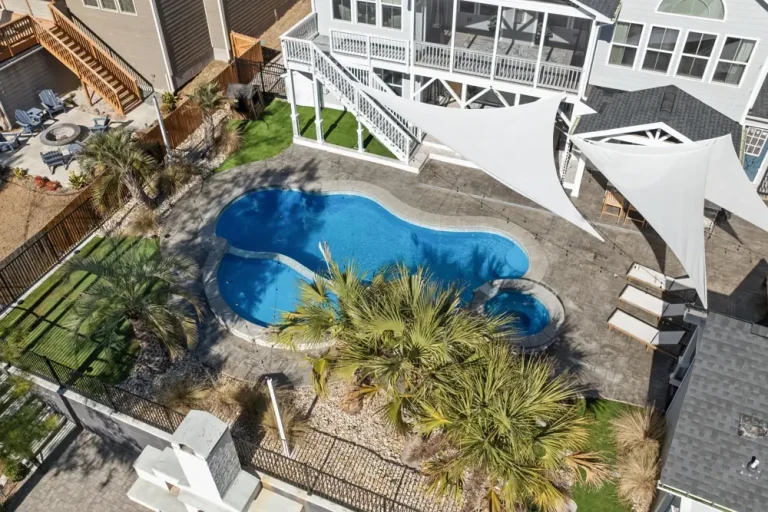
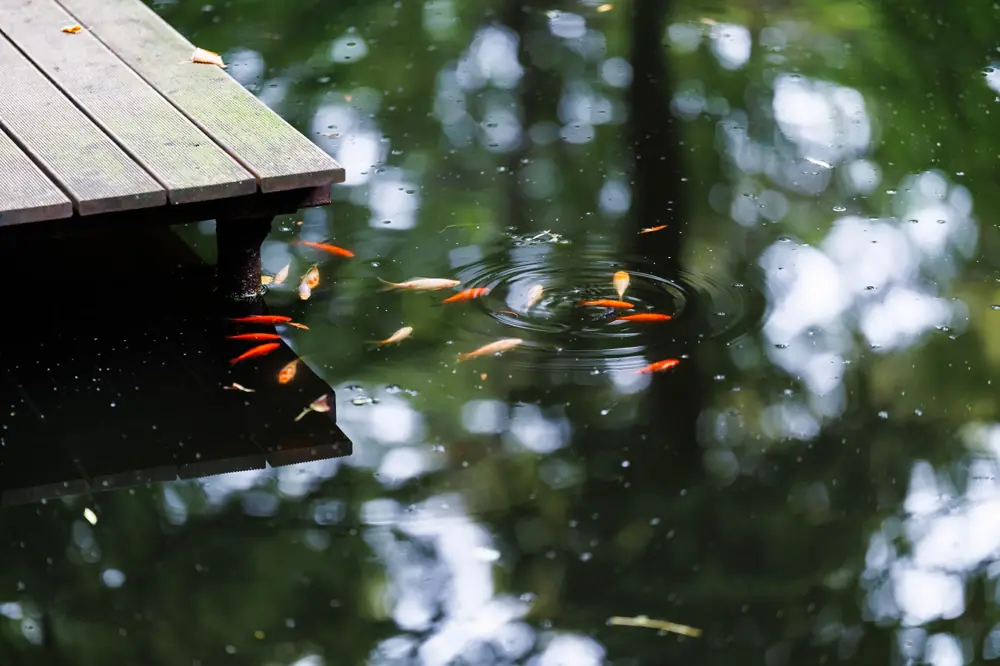
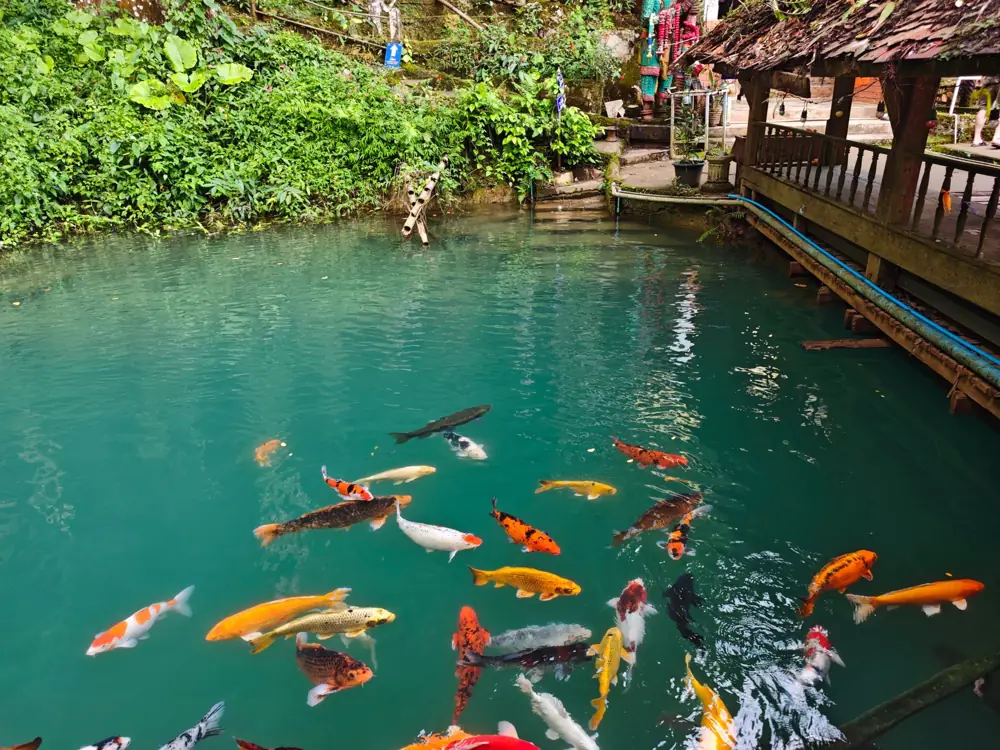
Natural pools are two connected water bodies: the swimming zone (deep, clear, for bathing) and the regeneration zone (shallow planted beds where reeds, waterlilies and gravel substrate host the bacteria that consume nutrients and starve algae). Water circulates slowly between them — the plants are the filter, the microbes are the chemistry, and the only running equipment is a low-energy pump.
The UK’s climate suits the method: cooler water temperatures moderate algae pressure, and the British garden aesthetic embraces the planted look naturally. The maintenance trade is real — no chlorine chemistry, but seasonal plant management, gravel-bed checks, and the spring establishment period when the ecosystem matures. Owners who want ‘a pool that looks like a pond’ and owners who want ‘a pond you can swim in’ are buying the same product with different expectations.
What Moves the Price Up or Down
The five-figure spread:
| Factor | Cost Impact | Detail |
|---|---|---|
| Liner versus concrete construction | +30–40% concrete | Finish and longevity tiers |
| Total area and regeneration ratio | linear | More zone = more filtration capacity |
| Swimming zone size | linear-ish | Depth and volume |
| Access for excavation (UK gardens) | +3k–8k | Rear-access constraints |
| Plant maturity at install | +2k–6k | Instant ecosystem vs. establishment |
| Landscaping ambition | +5k–15k | The aesthetic layer |
Natural Pool Builds
Three honest tiers:
| Option | Description | Best For | Cost Level |
|---|---|---|---|
| Liner build, planted naturalistic | EPDM liner, mature planting | The classic natural pool | Low-mid (£55k–75k) |
| Hybrid (natural filtration + conventional look) | Regeneration zone with pool-zone aesthetics | Clear-water converts | Mid (£75k–95k) |
| Concrete/gunite premium | Luxury finishes, designed planting | Estate gardens, showcase builds | High (£95k–120k+) |
The hybrid tier is the UK’s honest middle — natural filtration with conventional pool appearance, for owners who want the ecosystem without the pond aesthetic. Purists want the naturalistic liner build; estates want concrete.
Three Realistic Project Scenarios
Budget — liner naturalistic build — £43,200–£54,000
Classic swimming pond, natural aesthetic.’, )
- Swimming zone liner construction — £25,200–£30,250
- Regeneration zone and planting — £14,400–£20,150
- Equipment and integration — £5,050–£8,650
Why this matters: the true natural pool — pond aesthetics, ecosystem filtration, and the UK product at its honest entry.
Mid — hybrid clear-water build — £57,600–£68,400
Conventional pool look, natural filtration.’, )
- Pool-zone construction — £34,550–£41,750
- Regeneration systems — £15,850–£20,150
- Equipment and finish — £7,200–£10,100
Why this matters: the converts’ build — chlorine-free water in a pool that reads as a pool. The UK market’s growing tier.
Premium — concrete showcase build — £72,000–£86,400
Gunite zones, designed planting, estate finish.’, )
- Concrete construction both zones — £46,800–£56,150
- Designed regeneration planting — £18,000–£21,600
- Premium equipment and landscaping — £8,650–£12,950
Why this matters: the estate natural pool — where landscape architecture and swimming water become one designed object.
The tiers are construction and aesthetic: liner-and-pond through concrete-and-architecture, with the hybrid middle converting conventional expectations.
Sample Budget Breakdown
The table below shows how a typical mid-range budget for natural swimming pool cost distributes across trades, materials and compliance in the United Kingdom. Adjust the percentages to your own scope before using it as a savings target.
| Category | Estimated Amount | Explanation | Optimization Tip |
|---|---|---|---|
| Swimming zone construction | £25,200–£56,150 | The basin tier | Liner builds are the natural-pool norm — concrete is aesthetic-tier money |
| Regeneration zone and planting | £14,400–£21,600 | The living filter | Mature planting at install buys an instant ecosystem — establishment seasons test patience |
| Equipment and landscaping | £5,050–£12,950 | Circulation and integration | Low-energy circulation is the entire running cost — size pumps for ecology, not turnover |
Every figure above is an indicative 2026 market range. Final quotes move with site conditions, contractor availability and the exact specification you lock in.
From Quote to Completion: the Typical Timeline
Most natural swimming pool cost projects follow the same five-stage rhythm. Knowing the calendar before you sign prevents the two classic frustrations — feeling rushed into a deposit, and being surprised by a mid-project gap while materials arrive.
- Week 1–3: design, engineering and permit — Shell engineering, barrier plans and the council/building-permit submission; approvals commonly take 2–6 weeks and gate everything downstream.
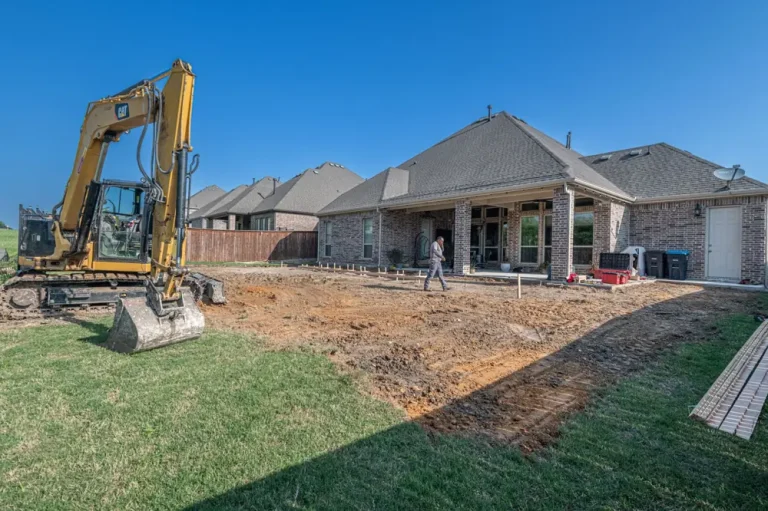
- Week 4–6: excavation and shell — Dig, steel, plumbing rough-in and shell pour or craned fiberglass set — the loud week neighbours should be warned about.
- Week 6–10: fit-out — Tiling, coping, equipment set, filtration, electrical certification and barrier install — where most “extras” surface, so keep the variation process in writing.
- Week 10–12: commissioning — Water balance, handover lesson on the equipment, final barrier inspection, and the compliance certificate that legally allows filling.
- Week 0: site classification — Soil test, contour survey and service locations come first — excavation pricing cannot be honest without them.
Smart Ways to Control the Budget
Cost control on natural swimming pool cost is mostly about scope discipline and timing. These are the strategies that consistently deliver the largest savings:
Negotiate the shell, fix the finish
The dig-and-shell price is where builders compete; finishes and waterline tile are where they recover margin — negotiate the package but keep quality in the wet end.
Advantages:
- Directly reduces the controllable parts of the quote
- No impact on structural quality or compliance when scoped correctly
Disadvantages:
- Splitting scope across suppliers can blur warranty responsibility.
- Requires planning lead-time you may not have on urgent repairs
Get a soil test before signing
Rock, clay or a high water table can add thousands in excavation and engineering; a geotechnical report costs little relative to that risk.
Advantages:
- Directly reduces the controllable parts of the quote
- No impact on structural quality or compliance when scoped correctly
Disadvantages:
- Adds 1–2 weeks and a few hundred dollars to the front end.
- Requires planning lead-time you may not have on urgent repairs
Join a pool owners association or local group
Real local cost reports expose which builders quote low and charge variations later, before you sign anything.
Advantages:
- Directly reduces the controllable parts of the quote
- No impact on structural quality or compliance when scoped correctly
Disadvantages:
- Anecdotal data needs cross-checking against your own site conditions.
- Requires planning lead-time you may not have on urgent repairs
Price the full package, not just the shell
Comparing turnkey quotes — excavation, filtration, fencing, heating and landscaping — prevents the classic 30% budget blow-out on “extras”.
Advantages:
- Directly reduces the controllable parts of the quote
- No impact on structural quality or compliance when scoped correctly
Disadvantages:
- Turnkey quotes are harder to compare line-by-line and can hide margin in bundled items.
- Requires planning lead-time you may not have on urgent repairs
Permits, Rules and Safety
UK natural pools face planning reality — three notes:
- Fencing/barrier certification is a separate inspection from the build itself — a pool cannot legally be filled in most jurisdictions until the barrier passes.
- Some councils require a stormwater or overflow management plan, particularly on small blocks where the pool displaces absorption area.
- Heating and electrical work (heat pumps, solar controllers, lighting) must be installed or certified by a licensed electrician and usually appear on the compliance certificate.
Maintenance and Long-Term Ownership Costs
The purchase price is only the first line of the budget. These recurring items are what natural swimming pool cost owners in the United Kingdom actually spend money on:
| Task | Frequency | Typical Cost | Why It Matters |
|---|---|---|---|
| Pump and heater service | Yearly | $150–$250 | Annual service keeps warranties valid and efficiency at nameplate levels. |
| Inspect the barrier and gate latch | Quarterly | DIY (free) | Gate latches are the most commonly failed item in pool safety inspections — a 30-second push-test catches most faults. |
| Drain-and-detail or acid wash | Every 5–7 years | $500–$900 | Removes years of staining and scale build-up without refinishing the shell. |
| Water balance and sanitiser check | Weekly (self) / monthly (pro) | DIY kits $20; pro service $80–$120/month | Balanced water protects finishes, equipment and swimmers; neglect shows up as etched plaster or corroded heaters. |
Natural pool maintenance is stewardship: spring plant management, autumn leaf discipline (the main nutrient load), gravel-bed inspection, and ecosystem monitoring instead of chemical dosing. Budget time rather than money — the running costs are electricity and elbow grease.
Frequently Asked Questions
Are natural pools actually swimmable in the UK?
Yes — clear, clean, and chemical-free. The regeneration zone is a functioning filter; the swimming water meets bathing standards when the ecosystem is established. The question is aesthetic expectation: natural pools look living, not sterile-blue.
What about mosquitos?
Circulated water discourages breeding — mosquito larvae need stagnant water and the pump denies them it. The regeneration zone’s movement and predator ecology (dragonflies, frogs) handles the rest. Standing water in a bucket breeds more mosquitos than a natural pool.
How cold does the water stay?
UK natural pools run 16–22°C in season — cooler than heated conventional pools, warmer than wild swimming. Plant coverage and depth design moderate the range. Owners who want 28°C want a heater and a conventional build.
Do they work in small UK gardens?
The regeneration zone needs 30–50% of total area — so a 40 m² swim zone wants 15–20 m² of planting. Gardens that can’t spare the area look at compact ‘blower’ systems (mechanical + biological hybrid) at the smaller end of the market.
Summary
Planning natural swimming pool cost in the United Kingdom starts with an honest range — £39,600–£86,400 for the scenarios most homeowners actually build — then works backwards through construction tier, regeneration design and aesthetic expectation.
£55–75k buys the honest naturalistic pool, £80–95k the hybrid for clear-water converts — and the maintenance trade is time-for-chemicals, which is the entire ownership philosophy. Choose the aesthetic honestly; the ecosystem works either way. Collect at least three itemised quotes, confirm the permit path before signing, and hold a 10–15% contingency for site surprises. Those three habits protect more budget than any product choice.
Related Pools Guides
- Above Ground Pool with Deck Kit Cost Per Sq Ft Ohio
- Pool Barrier Compliance and Fence Cost Brisbane
- Pool Coping and Waterline Tile Cost Per Linear Foot Arizona
- Concrete Pool Resurfacing Cost Per Sq Ft Florida
- Master Spas Hot Tub Cost vs Jacuzzi Brand USA
- Lap Pool Construction Cost Melbourne Australia