Horizontal Slat Fence Cost Per Meter Wellington NZ
By the Garage Home Editorial Team — reviewed for accuracy. Last updated October 2026. This article is for informational purposes and reflects typical market pricing; obtain local quotes for your specific project.
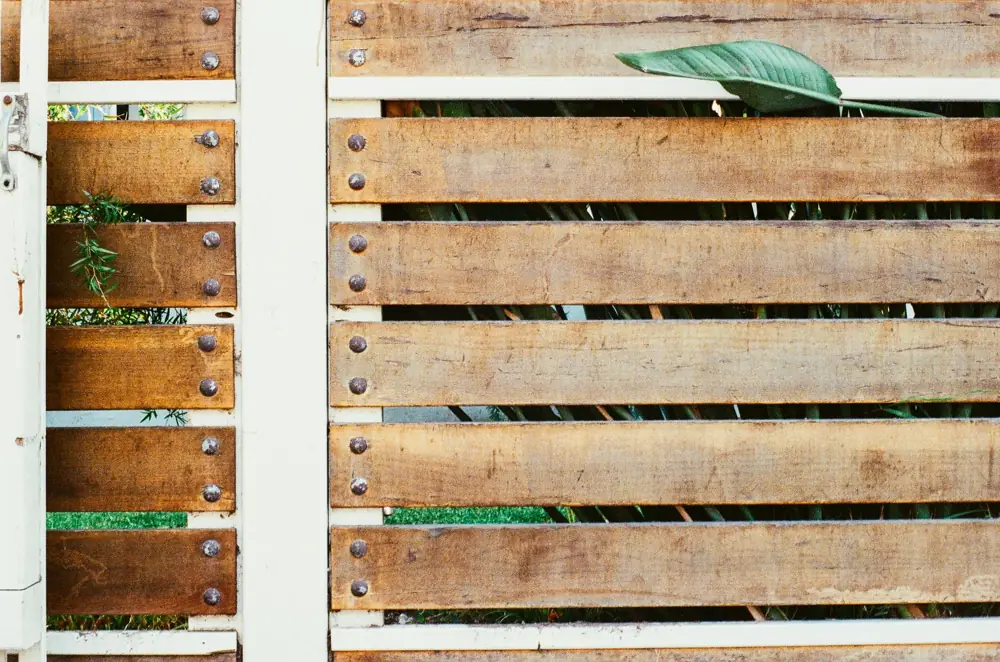
Horizontal slat fences are Wellington’s architectural answer to wind: linear timber runs that read as design rather than boundary, with gaps that let the famous gusts through rather than fight them. In a city where solid fences become kites, the horizontal slat is engineering wearing aesthetics.
This guide prices 2026 horizontal slat fencing per metre in New Zealand: timber tiers (treated pine through cedar), the gap ratios that define look and wind behaviour, and the powder-coated aluminum alternative that the coastal sites choose when timber’s maintenance calendar loses its appeal.
Horizontal Slat Fence Cost Per Meter — At a Glance for NZ
A horizontal slat fence in NZ runs NZ$200–NZ$420 per metre installed — treated pine slats at the accessible end, cedar and aluminum systems at the top. Gap width (10–30 mm) sets the look and the wind behaviour; Wellington’s gusts reward gapped designs that let air pass, and the pricing follows timber species more than design complexity. This figure is a realistic planning number for New Zealand in 2026, not a marketing low-ball.
| Line Item | Typical Range (NZD) | What Drives It |
|---|---|---|
| Treated pine slats, 42×42 mm (per metre) | NZ$200–NZ$260 | The honest NZ baseline |
| Kwila/hardwood slats (per metre) | NZ$290–NZ$360 | Dense, durable, oils beautifully |
| Cedar slats (per metre) | NZ$320–NZ$390 | Premium timber, needs coating discipline |
| Powder-coated aluminum slat system | NZ$340–NZ$420 | Zero maintenance, coastal-proof |
| Posts (treated or powder-coated steel) | NZ$52–NZ$120 | Per post at 1.8–2.4 m spacing |
| Stain/oil system (timber) | NZ$20–NZ$39 | Per metre, initial + cycles every 3–5 years |
Understanding Horizontal Slat Fence Cost Per Meter
Horizontal slat fences are constructed logic: slats fixed to posts with consistent gaps, the geometry doing the design work. Timber species sets the price tier — treated pine is the workhorse, kwila and cedar are premium — and the gap ratio (typically 10–30 mm) sets both the privacy level and the wind behaviour. Gapped horizontal slats are Wellington’s answer precisely because solid panels fail there.
The aluminum alternative arrived a decade ago and now owns the premium end: powder-coated slat systems that never need oiling, survive coastal salt untouched, and hold their lines for decades. The premium over cedar is modest; the maintenance saving is total. Coastal Wellington and Auckland sections increasingly spec aluminum by default — timber remains the choice where warmth and budget lead.
What Moves the Price Up or Down
What moves the per-metre number:
| Factor | Cost Impact | Detail |
|---|---|---|
| Timber species pine → kwila → cedar | +45–100% | Material cost and coating cycles |
| Timber vs aluminum system | +60–110% alu | Upfront vs zero-maintenance trade |
| Slat size 42 mm → 90 mm widths | +15–30% | Wider slats, more timber per metre |
| Gap width (privacy %) | ±10–20% | Tighter gaps = more material |
| Wind-exposed site (Wellington) | +10–20% | Heavier fixings and post engineering |
| Slope and stepped runs | +15–25% | Stepped panels and cut slats |

Slat Fence Systems
Four honest routes:
| Option | Description | Best For | Cost Level |
|---|---|---|---|
| Treated pine horizontal slats | Warm, painted or stained, budget-real | Standard sections, sheltered sites | Low (NZ$150–200/m) |
| Kwila/hardwood slats | Dense premium timber, oiled finish | Feature frontages, warm premium look | Mid (NZ$220–280/m) |
| Cedar slats | Lightweight premium, needs coating care | Architectural warmth, design-first builds | High (NZ$250–300/m) |
| Powder-coated aluminum slats | Zero maintenance, coastal-proof | Coastal and exposed sites, long-horizon owners | High (NZ$260–320/m) |
Sheltered sites and budget-first: pine, stained well. Feature frontages: kwila or cedar. Coastal, exposed or maintenance-averse: aluminum — its NZ$10–20/m premium over cedar repays itself in two skipped oiling cycles.
Three Realistic Project Scenarios
Budget — 20 m pine slat boundary — NZ$200–NZ$250
Sheltered suburban section, 10 mm gaps.
- 20 m pine supply + install — NZ$4,050–NZ$4,950
- Initial stain system — NZ$390–NZ$780
Why this matters: pine horizontal slats deliver the design look at paling-fence money — the stain quality decides whether it reads premium.
Mid — 25 m kwila feature fence — NZ$300–NZ$360
Street-facing, oiled finish, 12 mm gaps.’, )
- 25 m kwila installed — NZ$7,550–NZ$9,100
- Oil system + maintenance kit — NZ$520–NZ$910
Why this matters: kwila’s density and oil-finish warmth make it the premium timber play — dense enough for decades with coating discipline.
Premium — 30 m aluminum, coastal — NZ$360–NZ$420
Evans Bay exposure, powder-coated anthracite.’, )
- 30 m aluminum system installed — NZ$10,900–NZ$12,500
- Matching gate — NZ$1,050–NZ$1,550
Why this matters: coastal Wellington is aluminum’s exact use case — salt, gusts and zero tolerance for maintenance calendars.
The tiers are material stories: pine for budget, premium timbers for warmth, aluminum for exposure — the design language stays constant across all of them.
Sample Budget Breakdown
The table below shows how a typical mid-range budget for horizontal slat fence cost per meter distributes across trades, materials and compliance in New Zealand. Adjust the percentages to your own scope before using it as a savings target.
| Category | Estimated Amount | Explanation | Optimization Tip |
|---|---|---|---|
| Slats, posts, fixings | NZ$4,050–NZ$12,500 | Metre rate by system | Stainless fixings near the coast — the only line that matters for longevity |
| Installation | NZ$1,150–NZ$3,650 | Precision labour | Horizontal reveals every misalignment — experienced slat crews only |
| Coating system (timber only) | NZ$390–NZ$910 | Initial + cycle fund | Budget the cycles now: every 3–5 years is the timber tax |
Every figure above is an indicative 2026 market range. Final quotes move with site conditions, contractor availability and the exact specification you lock in.
From Quote to Completion: the Typical Timeline
Most horizontal slat fence cost per meter projects follow the same five-stage rhythm. Knowing the calendar before you sign prevents the two classic frustrations — feeling rushed into a deposit, and being surprised by a mid-project gap while materials arrive.
- Week 2–4: materials delivery — Standard palings and panels are stocked; Colorbond, composite and custom slats run 1–3 weeks from the distributor.
- Build: 2–5 days for a typical block — Posts concreted day one and left to cure, then panels, rails, gates and hardware — most residential fences finish inside a working week.
- Week 6–12: settlement checks — Posts that were slightly proud settle in the first months; a 90-day defect visit clause in the contract catches gate sag and loose fittings free of charge.
- Day 0–3: site walk and measure — The contractor walks the boundary, checks slope and access, locates services (dial-before-you-dig), and quotes per metre with gates and corners itemised.
- Week 1–2: approvals if needed — Front-boundary or pool fences go to council; boundary fences need the neighbour’s signed agreement under the relevant Fencing Act.
Smart Ways to Control the Budget
Cost control on horizontal slat fence cost per meter is mostly about scope discipline and timing. These are the strategies that consistently deliver the largest savings:
Pool neighbours for a boundary fence quote
Shared fencing quoted as one continuous run cuts setup and travel overheads for the contractor — savings often passed on.
Advantages:
- Directly reduces the controllable parts of the quote
- No impact on structural quality or compliance when scoped correctly
Disadvantages:
- Requires agreeing on style and timing with the neighbour, and cost-sharing rules vary by state and council.
- Requires planning lead-time you may not have on urgent repairs
Choose standard heights and lengths
Custom heights need taller posts, more concrete and non-stock palings; standard 1.8 m runs are the cheapest per metre.
Advantages:
- Directly reduces the controllable parts of the quote
- No impact on structural quality or compliance when scoped correctly
Disadvantages:
- Limits privacy or compliance flexibility on unusual sites.
- Requires planning lead-time you may not have on urgent repairs
Book in late autumn or winter
Fencing crews are quietest outside the spring renovation rush, and lead times drop from weeks to days.
Advantages:
- Directly reduces the controllable parts of the quote
- No impact on structural quality or compliance when scoped correctly
Disadvantages:
- Wet-ground conditions can slow drilling and add soil-stabilisation costs.
- Requires planning lead-time you may not have on urgent repairs
Keep the gate simple
A single standard pedestrian gate adds far less than double drive gates with automation; every hinge and automation component is a maintenance point.
Advantages:
- Directly reduces the controllable parts of the quote
- No impact on structural quality or compliance when scoped correctly
Disadvantages:
- Reduces convenience for wide access or parking inside the fence line.
- Requires planning lead-time you may not have on urgent repairs
Permits, Rules and Safety
Standard NZ fence rules, with Wellington specifics:
- Fences on shared boundaries are usually cost-shared under state fencing Acts, but a formal notice procedure applies before work starts.
- Retaining walls over about 0.6–1.0 m (varies by council) require engineering and a permit — especially when a fence sits on top of the wall.
- Heritage overlays and conservation zones can dictate materials, colours and even the style of palings — always check before ordering materials.
Maintenance and Long-Term Ownership Costs
The purchase price is only the first line of the budget. These recurring items are what horizontal slat fence cost per meter owners in New Zealand actually spend money on:
| Task | Frequency | Typical Cost | Why It Matters |
|---|---|---|---|
| Clear vegetation off the fence line | As needed | DIY (free) | Vines and shrubs trap moisture and push posts out of alignment. |
| Touch up galvanised or Colorbond scratches | As soon as spotted | DIY ($20 kit) | Edge rust spreads under the coating once it takes hold; touch-up paint stops it cold. |
| Wash and inspect palings/panels | Yearly | DIY (free) | Dirt holds moisture against the surface; a quick wash slows rot and corrosion dramatically. |
| Retighten fittings and check posts for movement | Twice a year | DIY (free) | Gates and corner posts work loose first; early tightening prevents rail sag. |
Timber slats: wash annually, re-oil or re-stain every 3–5 years, check fixing corrosion near the coast. Aluminum: wash it. That asymmetry, compounded over 20 years, is the honest argument for the aluminum premium on exposed sites.
Frequently Asked Questions
Are horizontal fences more expensive than vertical?
Yes — 15–40% typically, because horizontal slats need more structural rails and fixings per metre. The look commands it; the engineering genuinely costs it.
How wide should the gaps be?
10–15 mm for privacy-dominant, 20–30 mm for screen-and-breeze. Wellington logic: wider gaps, less wind load, longer fence life. Privacy can be recovered with double-layer slat designs.
Do horizontal slats warp in NZ sun?
Wider boards can cup — quality slat systems use narrower boards (42–65 mm) specifically to resist it, with sealed end-grain. Cedar and kwila behave best; pine needs the coating discipline.
Is aluminum worth it inland?
Maintenance-averse owners: yes, the math works anywhere. Budget-first or warmth-seeking: timber answers better inland — aluminum’s corrosion advantage only cashes out near salt.
Summary
Planning horizontal slat fence cost per meter in New Zealand starts with an honest range — NZ$200–NZ$420 for the scenarios most homeowners actually build — then works backwards through material tier and exposure profile.
NZ$150–200/m for honest pine, step up to kwila or cedar for feature warmth, aluminum for coastal exposure — and size gaps to the wind, not just the look. Collect at least three itemised quotes, confirm the permit path before signing, and hold a 10–15% contingency for site surprises. Those three habits protect more budget than any product choice.
Related Fencing Guides
- Chain Link Fence Removal and Replacement Cost Chicago
- Wrought Iron vs Aluminium Fence Cost Georgia
- Double Swing Gate with Opener Cost Auckland NZ
- Automatic Sliding Gate Installation Cost California
- Frameless Glass Pool Fencing Cost Per Meter Gold Coast
- Pool Compliant Fence Installation Cost Melbourne Australia