Pool Heat Pump vs Solar Heating Cost Perth
By the Garage Home Editorial Team — reviewed for accuracy. Last updated October 2026. This article is for informational purposes and reflects typical market pricing; obtain local quotes for your specific project.
Pool heating in Perth is a two-horse race: electric heat pumps that work like reverse-cycle air conditioners for water, and rooftop solar mats that let the WA sun do directly what it does to everything else. The choice is a straight finance-and-season calculation — and Perth’s climate makes both honest answers.
This guide prices the 2026 Perth head-to-head: heat pump versus solar pool heating by install and running cost, the season each one delivers, and the roof-orientation and sizing lines that decide which system your house actually suits.
Pool Heat Pump vs Solar Heating — At a Glance for AU
Solar pool heating in Perth runs A$3,750–A$9,400 installed — rooftop mats, circulation pump, automation. Heat pumps run $4,500–$7,500 installed. Solar delivers near-zero running cost in the November–April window; heat pumps deliver 8–10 month swimming on $50–90/month of electricity. North-facing roof real estate decides solar’s viability; heat pumps ignore the roof entirely. This figure is a realistic planning number for Australia in 2026, not a marketing low-ball.
| Line Item | Typical Range (AUD) | What Drives It |
|---|---|---|
| Solar mat system (rooftop, per m² of collector) | A$110–A$160 | Rule: 60–80% of pool surface area |
| Solar circulation pump + automation | A$1,000–A$1,750 | Runs when sun is on the roof |
| Heat pump (quality tier, installed) | A$5,600–A$9,400 | Sized to pool volume |
| Heat pump running cost (Perth tariffs) | A$62–A$110 | Per month in heating season |
| Solar running cost | A$19–A$38 | Pump electricity only |
| Gas heating (comparison line) | A$4,400–A$7,500 | Fast but expensive to run |
Understanding Pool Heat Pump vs Solar Heating
Solar pool heating is direct physics: black mats on the roof, pool water pumped through them while the sun shines, and a differential controller that knows when the roof is warmer than the pool. Perth’s 8+ sun-hours make it Australia’s honest solar-heating city — the systems run hard and the running cost is a small pump.
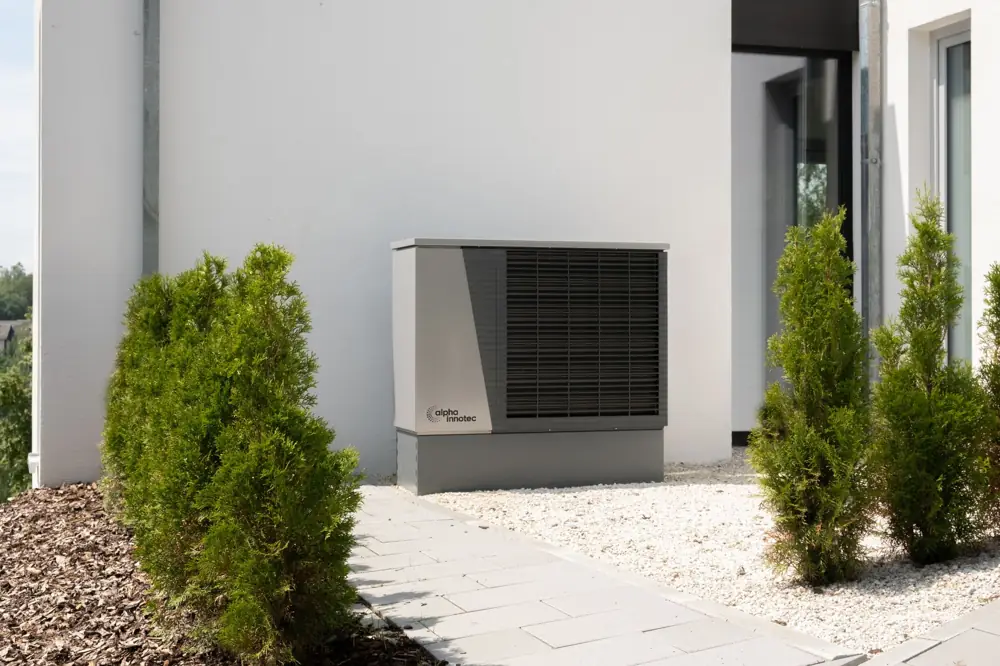
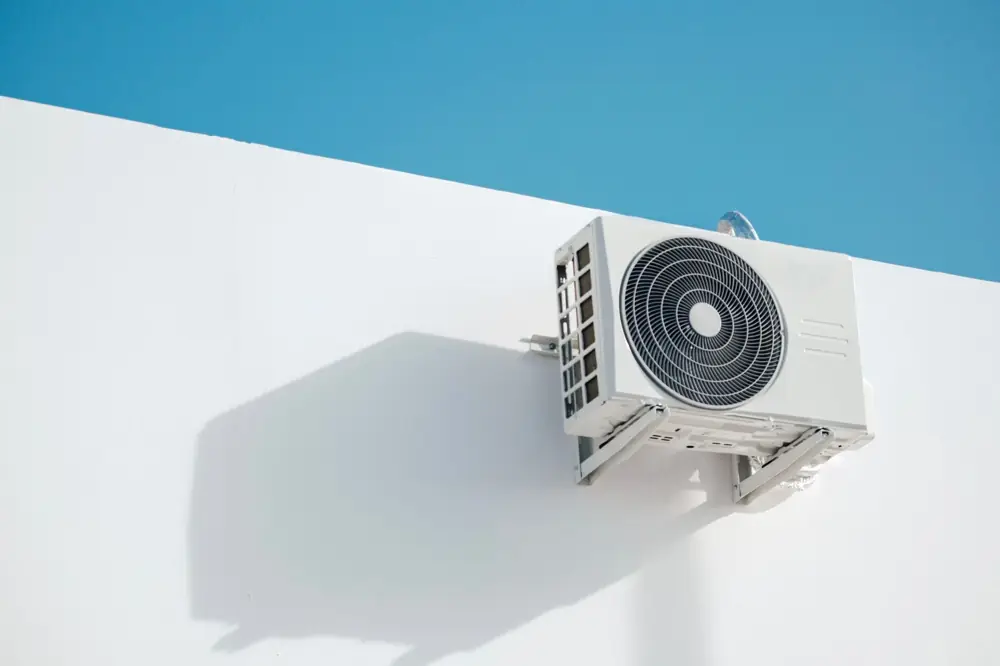
Heat pumps are thermal movers: they extract ambient heat (Perth’s mild winters included) and concentrate it into the water at 4–6× electrical efficiency. They heat when solar can’t — cloudy weeks, shoulder seasons, and the June–August swimmer who refuses to accept winter. The finance: higher install, real running cost, but season coverage solar can’t touch.
What Moves the Price Up or Down
The decision variables:
| Factor | Cost Impact | Detail |
|---|---|---|
| Roof orientation (north-facing area) | solar viability gate | 60–80% of pool surface needed |
| Pool size (collector/pump sizing) | linear | Both systems scale |
| Season ambition (summer vs 8–10 months) | the real question | Solar = sun season; heat pump = calendar |
| Roof shade/trees | solar killer | The honest disqualifier |
| Electrical supply for heat pump | +200–600 | Circuit work if remote |
| Gas as the fast-heat comparison | 3500–6000 + 300–600/mo | Punchy, expensive to run |
Heating Systems Compared
The Perth matrix:
| Option | Description | Best For | Cost Level |
|---|---|---|---|
| Solar mat heating | Sun-direct, near-zero running | Sun-season swimming, north roofs | Low ($3,000–5,500 by size) |
| Electric heat pump | All-season, tariff-driven | Long-season swimmers, any roof | Mid ($4,500–7,500) |
| Gas (the sprint comparison) | Fastest heat, highest running | Weekend-warrior pools, spa heat | Mid ($3,500–6,000 + running) |
North-facing roof + sun-season ambition: solar, unambiguously. Long-season swimming or roof-compromised: heat pump. Gas survives only where speed-of-heat is the genuine requirement.
Three Realistic Project Scenarios
Budget — solar on honest north roof — A$4,400–A$5,600
8×4 m pool, 40 m² collector.’, )
- Collector mats and pump — A$3,750–A$4,750
- Automation and plumbing — A$620–A$1,000
Why this matters: the Perth default — sun heats the pool for the price of a small pump’s electricity.
Mid — heat pump for the long season — A$6,900–A$8,750
Swim October–May ambition.’, )
- Heat pump installed — A$5,600–A$7,500
- Electrical and plumbing — A$1,000–A$1,600
Why this matters: the season-buyer’s build — 8–10 months of swimming on honest tariff mathematics.
Premium — hybrid solar + heat pump — A$8,750–A$9,400
Solar for sun weeks, heat pump for shoulder.’, )
- Solar system — A$4,000–A$5,000
- Compact heat pump top-up — A$4,400–A$5,600
Why this matters: the hybrid is the engineering-honest optimum — solar carries the sun season, heat pump carries the shoulders.
The scenarios are season ambitions — sun season, long season, both — and the systems price accordingly.
Sample Budget Breakdown
The table below shows how a typical mid-range budget for pool heat pump vs solar heating distributes across trades, materials and compliance in Australia. Adjust the percentages to your own scope before using it as a savings target.
| Category | Estimated Amount | Explanation | Optimization Tip |
|---|---|---|---|
| System and install | A$3,750–A$9,400 | By system and size | Get the roof assessment before the quote — orientation and shade decide solar viability honestly |
| Running cost (annual) | A$190–A$880 | By system | Solar: pump electricity. Heat pump: $50–90/month in season. The 5-year ledger often decides |
| Automation and controls | A$380–A$1,000 | Smart management | Solar controllers pay for themselves by not running when the roof is cold |
Every figure above is an indicative 2026 market range. Final quotes move with site conditions, contractor availability and the exact specification you lock in.
From Quote to Completion: the Typical Timeline
Most pool heat pump vs solar heating projects follow the same five-stage rhythm. Knowing the calendar before you sign prevents the two classic frustrations — feeling rushed into a deposit, and being surprised by a mid-project gap while materials arrive.
- Week 0: site classification — Soil test, contour survey and service locations come first — excavation pricing cannot be honest without them.
- Week 1–3: design, engineering and permit — Shell engineering, barrier plans and the council/building-permit submission; approvals commonly take 2–6 weeks and gate everything downstream.
- Week 4–6: excavation and shell — Dig, steel, plumbing rough-in and shell pour or craned fiberglass set — the loud week neighbours should be warned about.
- Week 6–10: fit-out — Tiling, coping, equipment set, filtration, electrical certification and barrier install — where most “extras” surface, so keep the variation process in writing.
- Week 10–12: commissioning — Water balance, handover lesson on the equipment, final barrier inspection, and the compliance certificate that legally allows filling.

Smart Ways to Control the Budget
Cost control on pool heat pump vs solar heating is mostly about scope discipline and timing. These are the strategies that consistently deliver the largest savings:
Build in the shoulder season
Pool builders are slammed in spring; autumn builds often come with discounts and more supervisor attention per site.
Advantages:
- Directly reduces the controllable parts of the quote
- No impact on structural quality or compliance when scoped correctly
Disadvantages:
- Cold-weather concrete pours need extra care, and you miss the first summer of swimming.
- Requires planning lead-time you may not have on urgent repairs
Right-size the heating and equipment
Oversized pumps and heaters cost more to buy and run; equipment matched to the actual water volume pays back within a few seasons.
Advantages:
- Directly reduces the controllable parts of the quote
- No impact on structural quality or compliance when scoped correctly
Disadvantages:
- Requires load calculations you may have to commission separately.
- Requires planning lead-time you may not have on urgent repairs
Negotiate the shell, fix the finish
The dig-and-shell price is where builders compete; finishes and waterline tile are where they recover margin — negotiate the package but keep quality in the wet end.
Advantages:
- Directly reduces the controllable parts of the quote
- No impact on structural quality or compliance when scoped correctly
Disadvantages:
- Splitting scope across suppliers can blur warranty responsibility.
- Requires planning lead-time you may not have on urgent repairs
Get a soil test before signing
Rock, clay or a high water table can add thousands in excavation and engineering; a geotechnical report costs little relative to that risk.
Advantages:
- Directly reduces the controllable parts of the quote
- No impact on structural quality or compliance when scoped correctly
Disadvantages:
- Adds 1–2 weeks and a few hundred dollars to the front end.
- Requires planning lead-time you may not have on urgent repairs
Permits, Rules and Safety
Perth heating permits are light — three notes:
- Pool permits are the norm, not the exception: engineering plans, site setbacks and equipment placement are all reviewed before a digging date is confirmed.
- Fencing/barrier certification is a separate inspection from the build itself — a pool cannot legally be filled in most jurisdictions until the barrier passes.
- Some councils require a stormwater or overflow management plan, particularly on small blocks where the pool displaces absorption area.
Maintenance and Long-Term Ownership Costs
The purchase price is only the first line of the budget. These recurring items are what pool heat pump vs solar heating owners in Australia actually spend money on:
| Task | Frequency | Typical Cost | Why It Matters |
|---|---|---|---|
| Clean filter and skimmer baskets | Weekly | DIY (free) | Starved pumps cavitate and fail early; baskets are the cheapest protection you own. |
| Pump and heater service | Yearly | $150–$250 | Annual service keeps warranties valid and efficiency at nameplate levels. |
| Inspect the barrier and gate latch | Quarterly | DIY (free) | Gate latches are the most commonly failed item in pool safety inspections — a 30-second push-test catches most faults. |
| Drain-and-detail or acid wash | Every 5–7 years | $500–$900 | Removes years of staining and scale build-up without refinishing the shell. |
Solar: flush the mats each autumn, check pump seals, keep the controller honest. Heat pumps: annual service (the refrigerant circuit wants professional eyes), clean the evaporator coil in dusty weeks. Both systems are low-maintenance by design — the water chemistry around them does the real aging.
Frequently Asked Questions
How long does solar heating run in Perth?
Effectively November through April at full strength, with shoulder weeks either side. Perth’s sun is the product — solar heating in this city outperforms every other Australian capital.
What size heat pump do I need?
Sizing follows pool volume: roughly 12–16 kW units for typical 40–60,000 litre family pools. Undersized units run continuously (and fail early); honest quotes size with headroom.
Is gas ever the right answer?
Where speed matters: spa-heat on demand, weekend-pool punch-heating. For daily swimming economics, gas’s $300–600/month running cost disqualifies it against both alternatives.
Can I combine solar and heat pump?
Yes — solar carries the free-heat months, heat pump tops the shoulders. The hybrid costs more up front and runs cheapest annually; Perth’s serious swimmers increasingly build exactly this.
Summary
Planning pool heat pump vs solar heating in Australia starts with an honest range — A$3,750–A$9,400 for the scenarios most homeowners actually build — then works backwards through roof orientation and season ambition.
North roof + sun season: solar at $3,000–5,500, the Perth-correct answer. Long-season or roof-compromised: heat pump at $4,500–7,500. Ambitious and engineering-minded: the hybrid does both honestly. Collect at least three itemised quotes, confirm the permit path before signing, and hold a 10–15% contingency for site surprises. Those three habits protect more budget than any product choice.